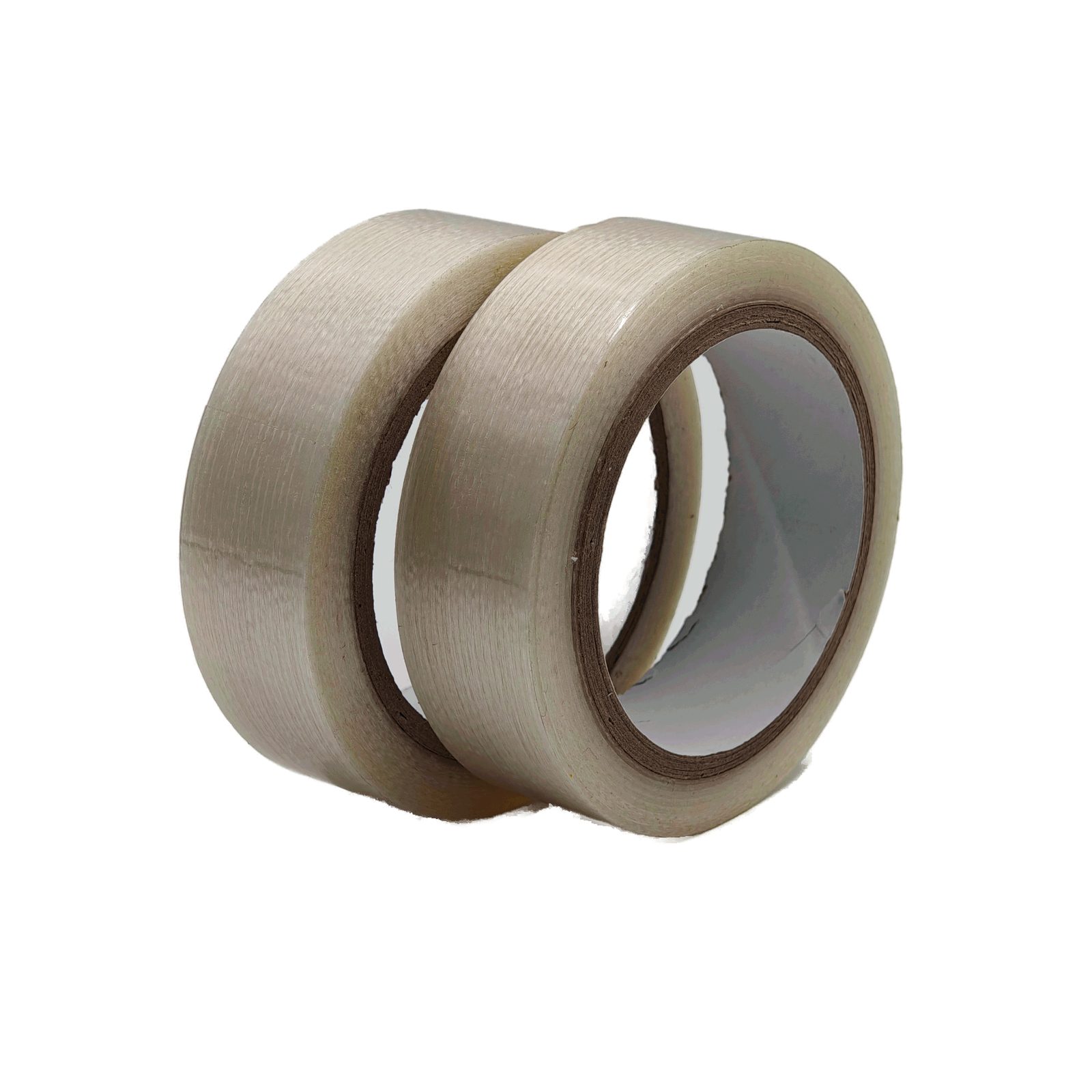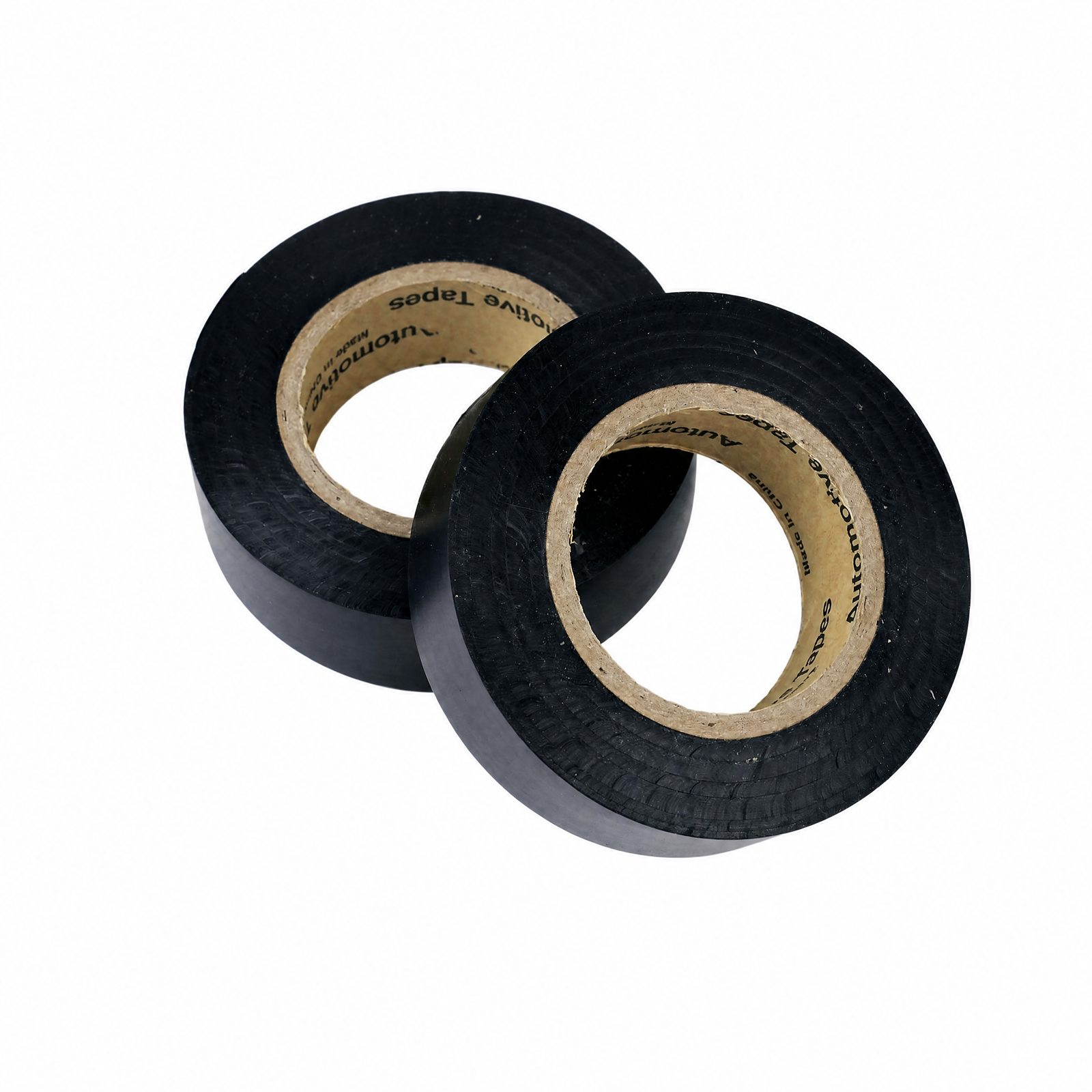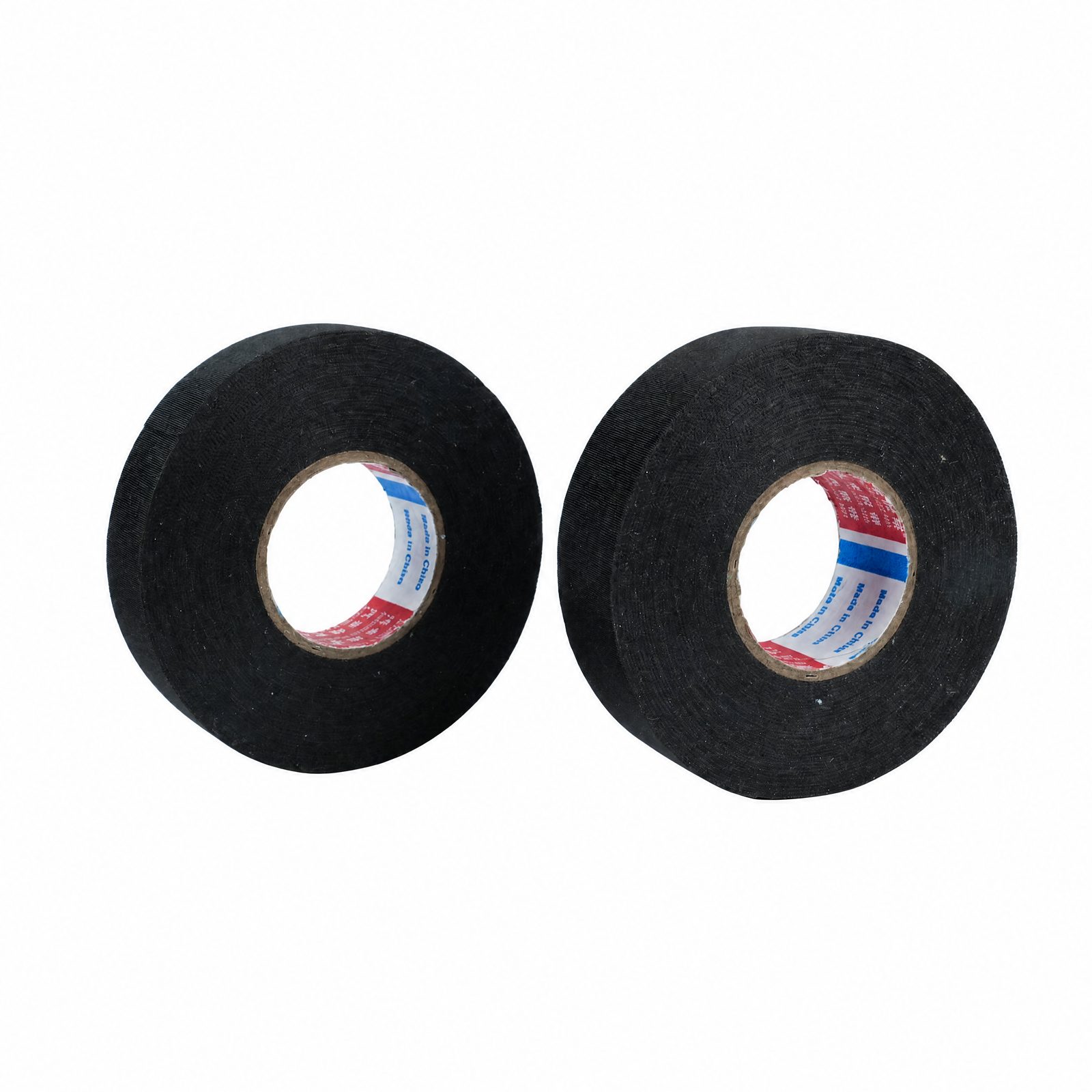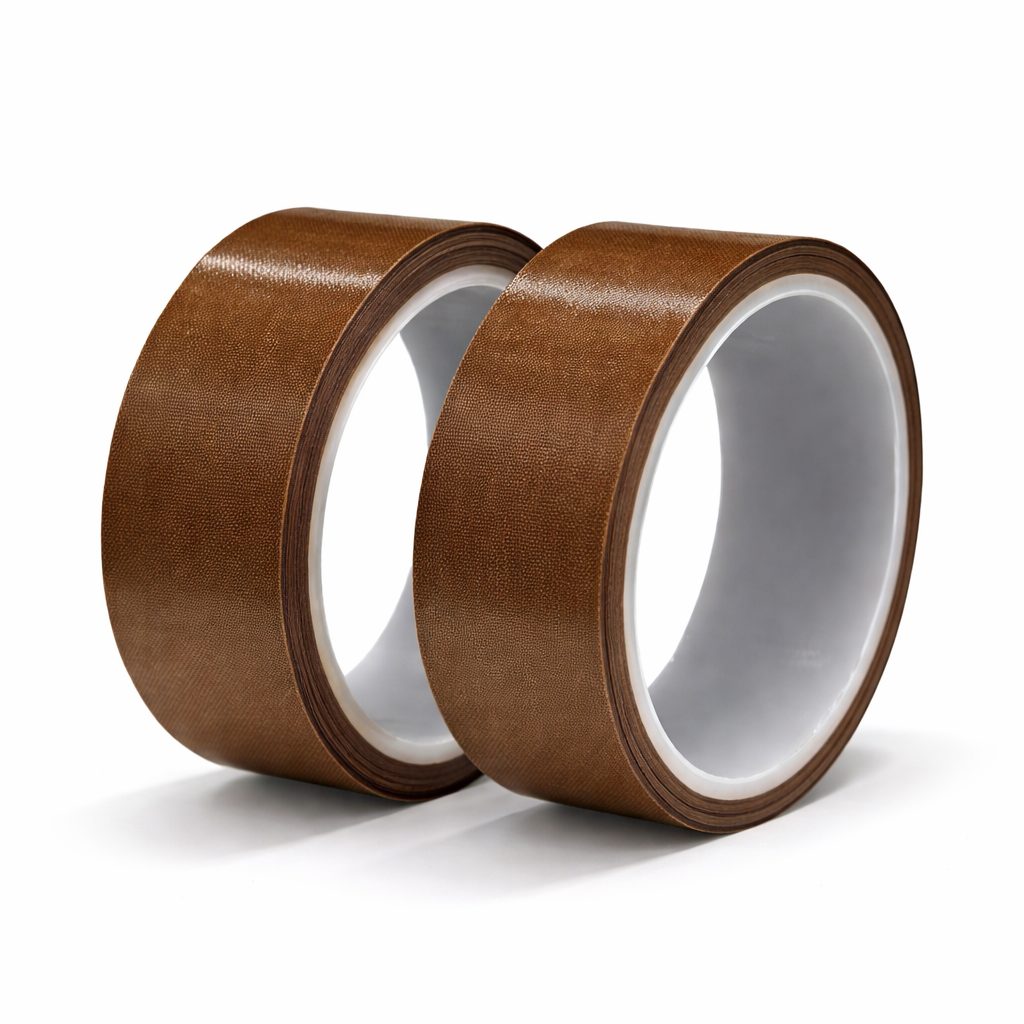
Wire harness tape lifting at the ends is often called flagging. On an automotive wiring harness, start by checking where the loose end was bonded, how the last turn was finished, and when the lifting appeared. A small branch, a contaminated contact surface and excessive wrapping tension call for different checks. Changing the tape before recording these details can hide the cause.
A useful first photo shows the entire wrapped section. A second shows the loose end from the side, before anyone presses it back down. Together, they help distinguish a local finishing problem from a wrap that is loosening along the bundle.

What is the tape end actually sticking to?
At the end of a wrapped section, the adhesive may contact the back of the previous tape turn, exposed wire insulation, or another protective covering. Record that surface first. A tape-to-backing bond and a tape-to-jacket bond are different interfaces.
The backing also has to bend around the bundle. Its stiffness, the bundle diameter and the tension left in the wrap all affect the load on the loose end. This is why a grade that finishes neatly on a straight, larger bundle still needs checking on a narrow branch.
Wire harness tape lifting: checks by symptom
Use the timing and location to decide what to inspect next. The observations below are starting points for a trial, not proof of a particular cause.
| What you see | What to inspect | A useful comparison |
|---|---|---|
| The end rises immediately after wrapping | Contact under the tail, handling contamination and tension during the final turn. | Repeat the finish on a clean sample using the approved wrapping method. |
| Lifting occurs mainly at branches or tight bends | Bundle diameter, changes in shape and any gap beneath the end. | Compare the troublesome branch with a straight section using the same roll. |
| The end is flat at inspection but lifted after storage | Elapsed time, storage conditions and whether the wrapped harness was bent or compressed. | Track matched samples through the same handling and storage sequence. |
| Lifting appears after heat exposure | Actual exposure temperature and duration, plus the materials in contact with the adhesive. | Compare exposed and unexposed samples prepared the same way. |
| The problem follows a roll, batch or workstation | Roll history, tape identity, tools, gloves and finishing practice. | Run a documented comparison with another roll of the same grade. |
Check the last turn before changing the tape
Keep contamination out of the bond
Look for dust, oil or residue on the surface beneath the tail. Check whether gloves or tools touched the adhesive while the end was being positioned. For a comparison sample, use clean materials and minimize adhesive handling. If cleaning is needed, use a method approved for the actual wire jacket and tape; a general-purpose solvent recommendation is not enough.
Review tension and end placement
Watch the finish as it is made. Does the operator pull hard while tearing or cutting, then leave that tension in the final turn? Does the tail bridge a step between bundles? Check the work instruction, then trial a finish with full contact and controlled tension. Keep the end on a supported section where the harness design permits it.
Hand-tearable tape and non-tearable tape require different cutting or tearing actions. For either type, inspect the finished edge for a folded adhesive surface or a loose tail. Press the end into contact using the specified application method.
Separate roll storage from service exposure
Record how the unused roll was stored as well as what happened to the finished harness. A newly opened roll of the same grade can provide a useful comparison, provided its storage history is known. If lifting appears after heating, record both temperature and time. A published temperature range alone does not establish end-holding performance under that exposure.
How B1300, BY1300 and R1005 fit the review
These Chengrun grades differ in backing construction and hand-tearability. Those differences matter to the wrapping process, but they do not establish a ranking for flagging resistance.
| Grade | Backing and handling | What to check in the trial |
|---|---|---|
| B1300 PET cloth tape | Woven PET cloth; non-hand-tearable. | How cutting and positioning affect the final turn. |
| BY1300 PET cloth tape | Woven PET cloth; hand-tearable. | Whether the tearing action leaves the end folded or under tension. |
| R1005 PET fleece tape | Non-woven PET fleece; hand-tearable. | Contact between the finishing end and the underlying fleece surface. |


Keep the original abrasion, noise and temperature requirements when considering a substitute. For the backing choice, see our fleece vs PET cloth tape guide for interior wiring harnesses.
Does higher peel adhesion to steel mean less flagging?
No. Steel peel adhesion measures a different bond from a tape end attached to its own backing around a bundle. It cannot, by itself, predict resistance to end lifting. Ask for an applicable flagging evaluation or agree on a trial using the intended harness construction.
Run a comparison you can trace
Keep the tape width, bundle construction, wrapping pattern and inspection conditions consistent. Change one factor at a time. Prepare repeat samples and record the grade, batch, operator and finishing method. Photograph each end immediately after wrapping and at the same agreed inspection points afterward.
If a revised finish looks better, repeat it through the relevant handling and exposure sequence before adopting it. Agree on the acceptance criteria in advance, including how lifting will be measured. A neat end at the bench is only the first observation.
Send the details behind the lifted end
For a tape selection review, send Chengrun a close-up of the loose end, a wider harness photo, the current grade and width, bundle diameter, contact material, and when lifting first appeared. Add the batch identification and exposure conditions if available.