Understanding PPWR Regulations
The Packaging and Packaging Waste Regulation (PPWR) has been introduced to enhance the management of packaging waste across the European Union. This legislation mandates that exporters ensure their packaging solutions align with stricter environmental standards. As a result, it is imperative for businesses to understand the implications of these regulations on their export processes.
The Role of Compliance Files
One of the most significant changes under the PPWR is the requirement for a compliance file associated with packaging materials. This file must detail the materials used, the recycling processes applicable, and the environmental impact assessments conducted. Such documentation is vital, as it provides evidence that the packaging meets the required standards set forth by the regulation.
What Information Should Be Included?
- Material Composition: A comprehensive breakdown of the materials utilized in the packaging, including types of plastics, paper, and any additives.
- Recycling Information: Detailed information on how the packaging can be recycled or reused, along with relevant recycling symbols.
- Environmental Impact Assessments: Reports that assess the ecological footprint of the packaging materials and their disposal methods.
Implications for Exporters
Exporters must adapt their practices to incorporate these compliance files effectively. Failure to do so may lead to non-compliance penalties and hindered access to markets that require adherence to the PPWR. Furthermore, the integration of compliance files into export cartons not only serves legal purposes but also enhances the brand image by demonstrating a commitment to sustainability.
Best Practices for Compliance
- Conduct a thorough assessment of all packaging materials used and their respective recycling capabilities.
- Maintain accurate records of compliance files, ensuring they are readily available for inspection by regulatory authorities.
- Engage with suppliers to ensure that they understand and comply with the PPWR requirements.
Impact on Packaging Solutions
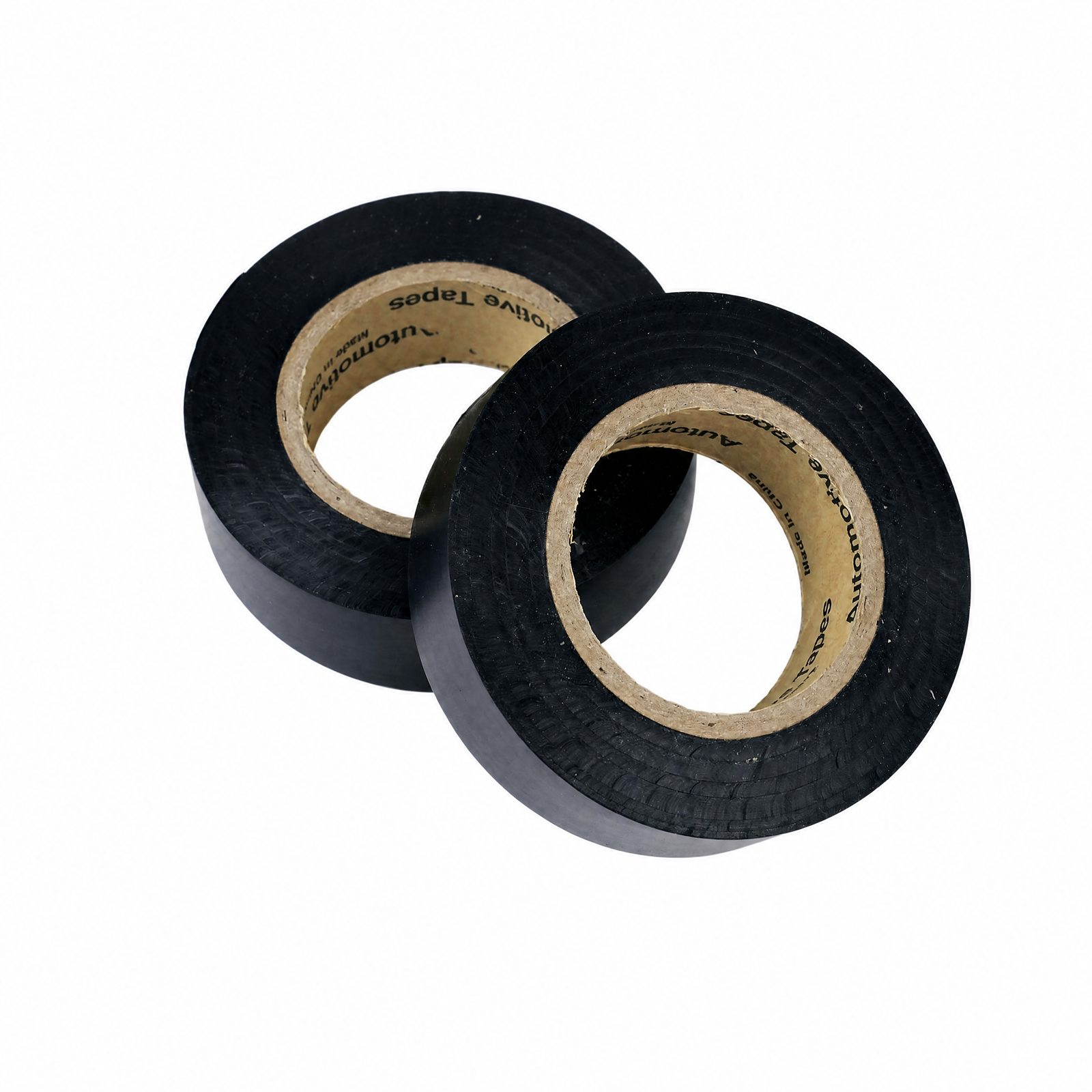
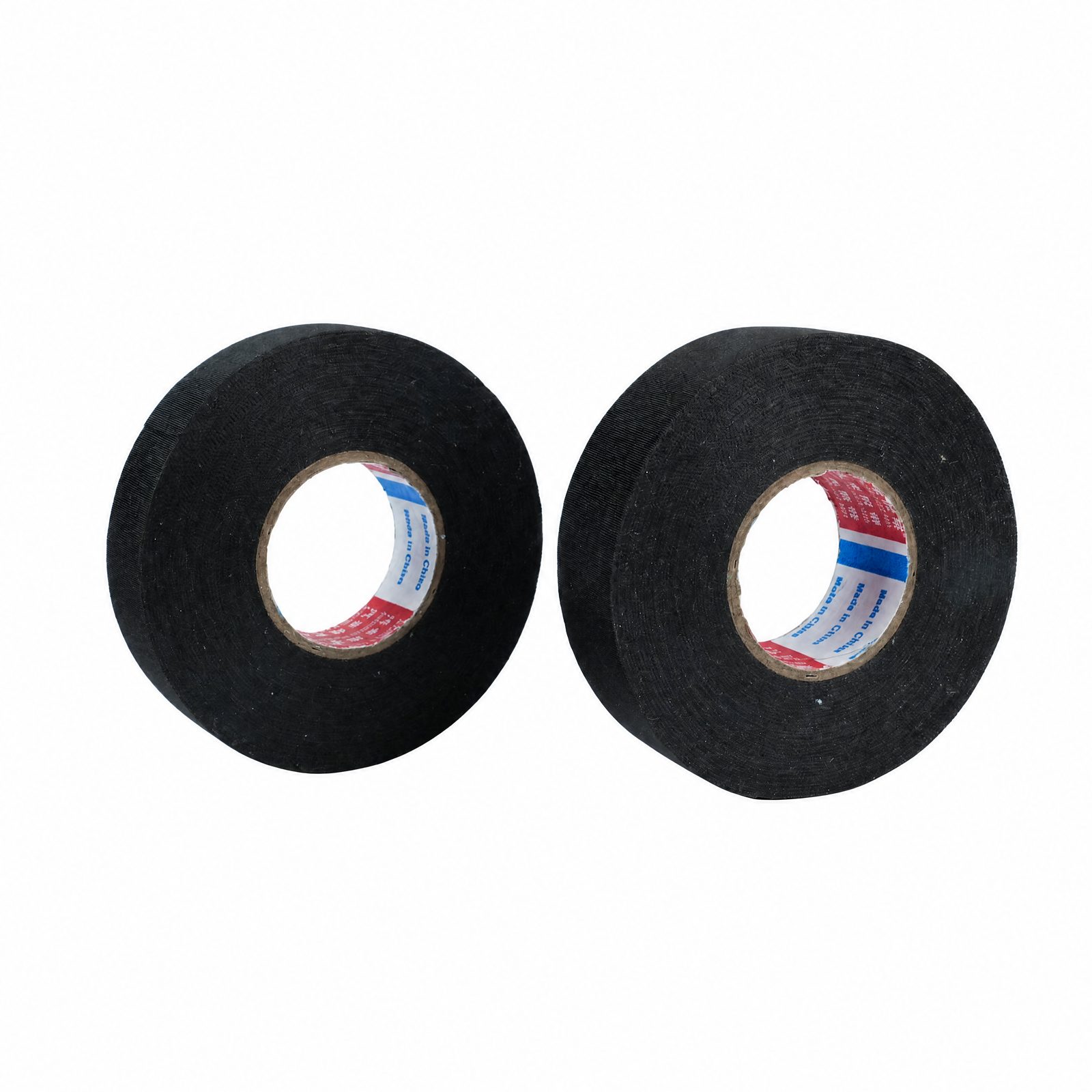
The introduction of PPWR necessitates a shift in how businesses approach packaging. Companies are encouraged to explore sustainable alternatives that not only meet compliance requirements but also reduce their overall environmental impact. Brands like chengrunTape are already responding to these changes by developing eco-friendly adhesive solutions that align with regulatory standards.
Innovation in Sustainable Packaging
As sustainability becomes increasingly crucial, businesses are investing in innovative packaging solutions that minimize waste. This includes the use of biodegradable materials, reduced packaging sizes, and enhanced recyclability, all of which contribute to a lower environmental footprint. In particular, advancements in adhesive technologies, such as those offered by reputable brands, are redefining how products are packaged while ensuring compliance with the PPWR.
Conclusion
In light of the PPWR, the necessity for compliance files associated with export cartons cannot be overstated. As companies adapt to these regulations, they must prioritize transparency and sustainability in their packaging practices. The implications of non-compliance are significant, making it essential for exporters to stay informed and proactive in their approach to packaging waste management.
Data Sources & References:
1. Packaging and Packaging Waste Regulation: European Commission
2. Recycling Guidelines and Standards: ISO