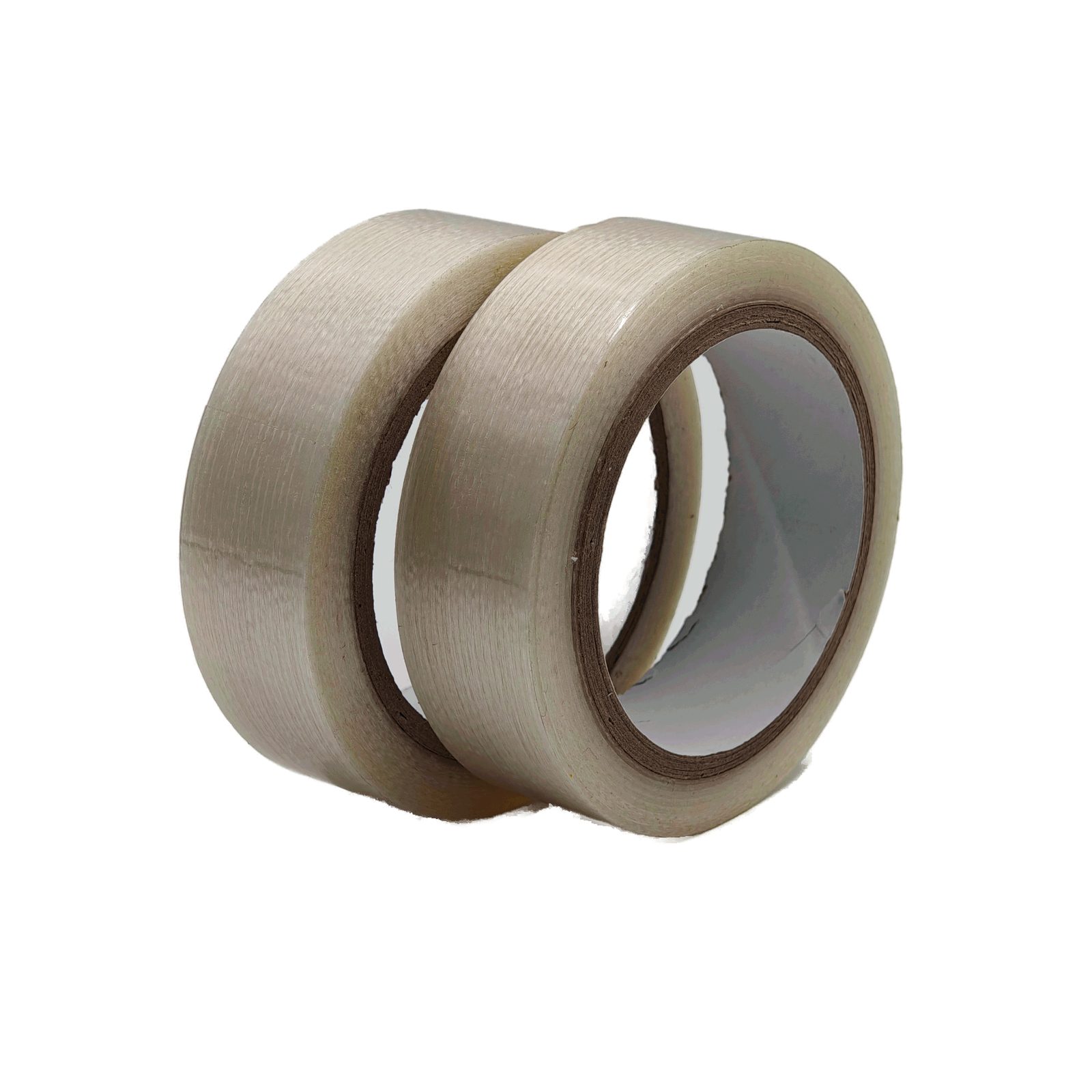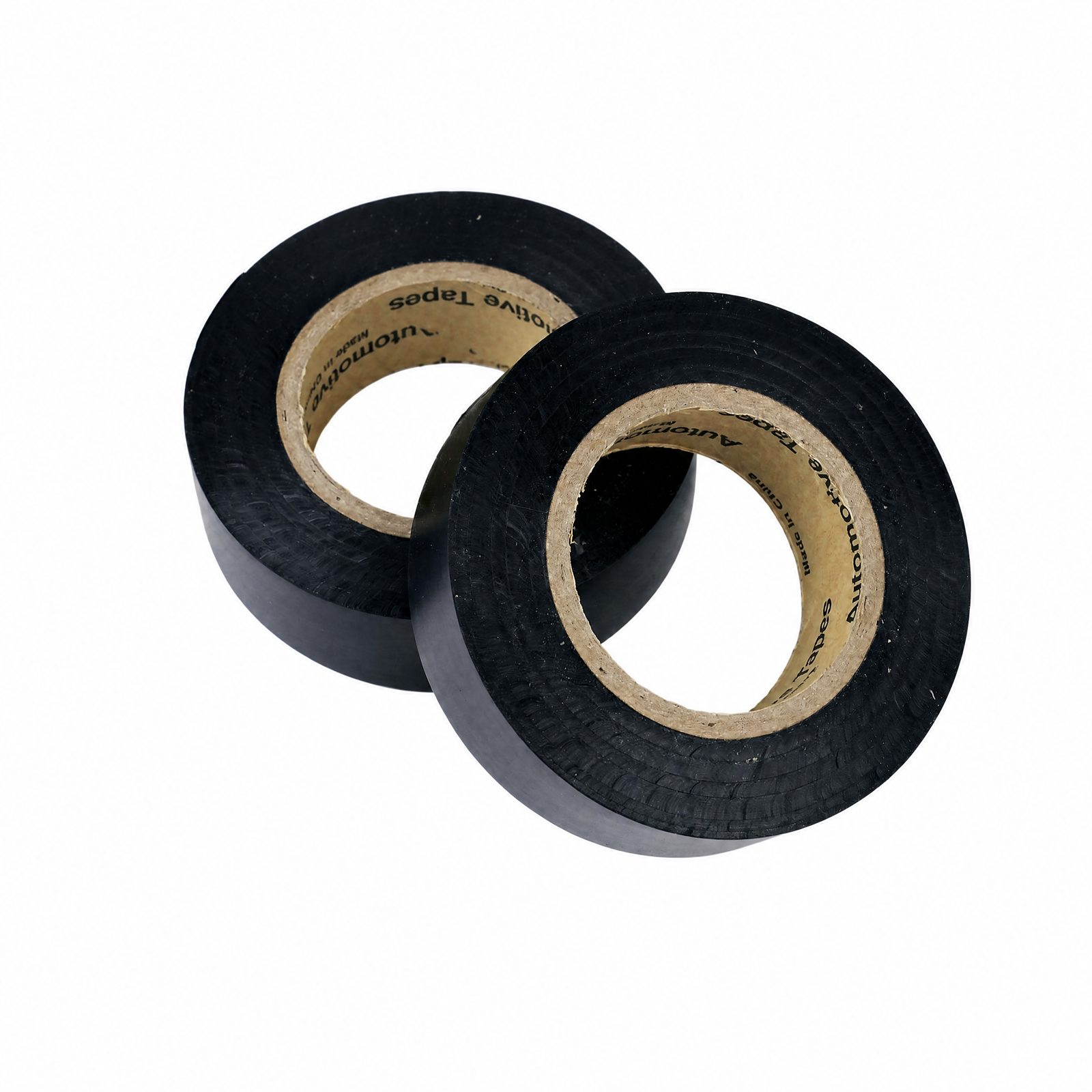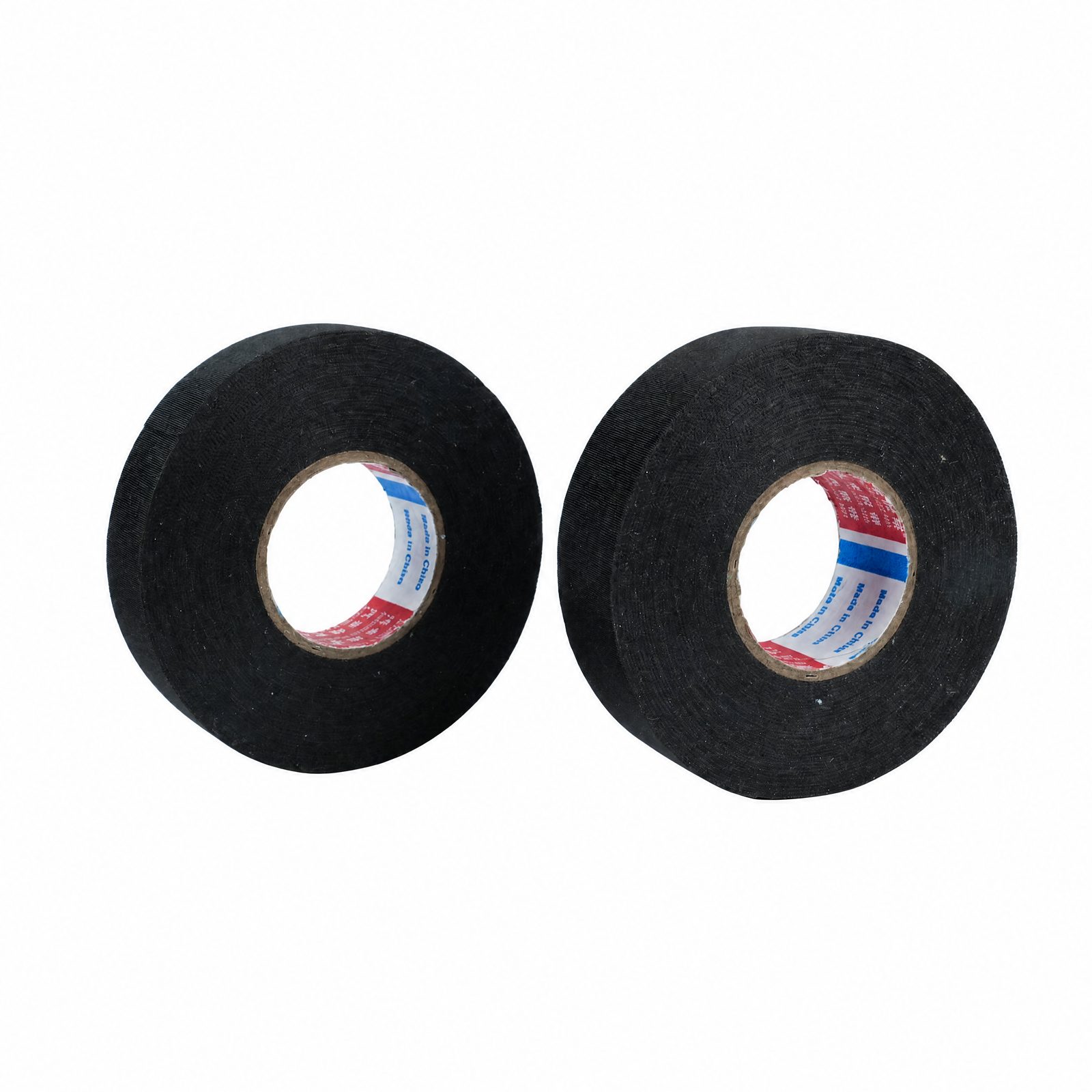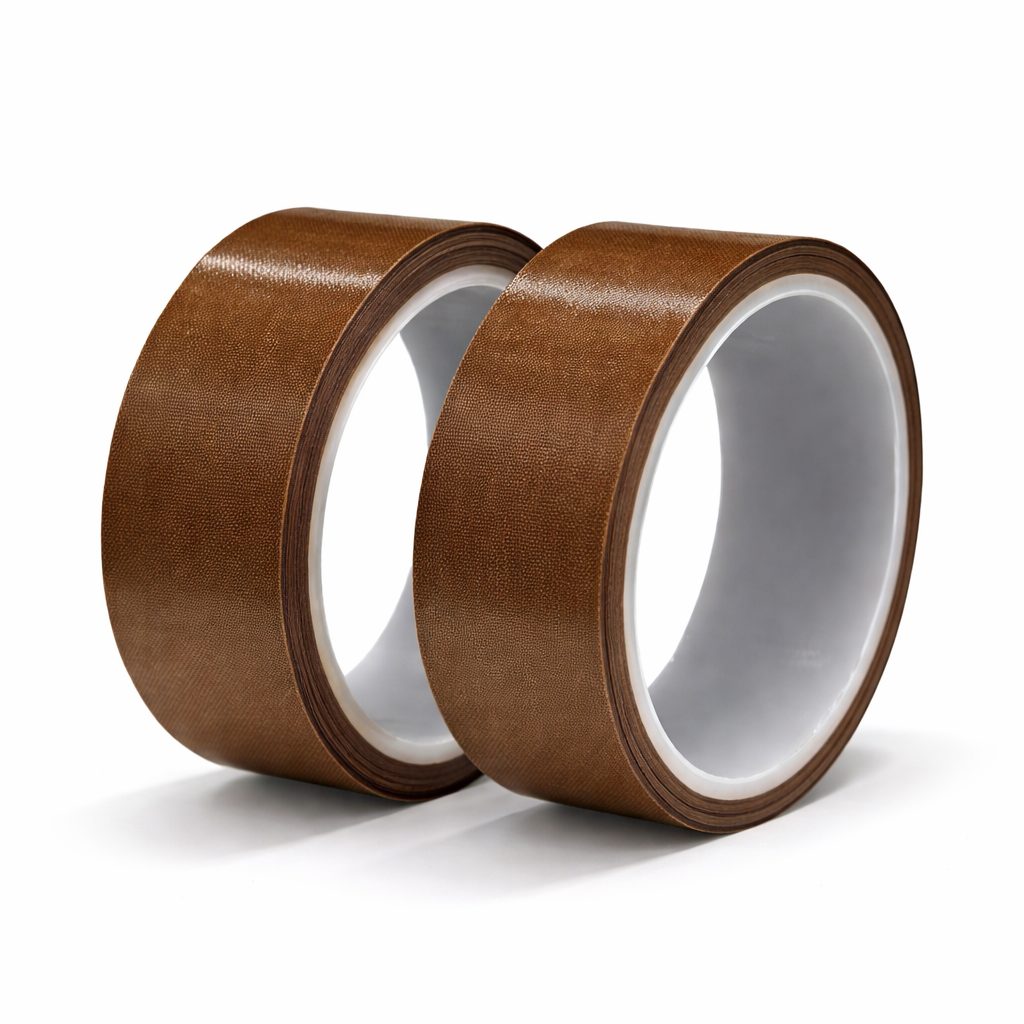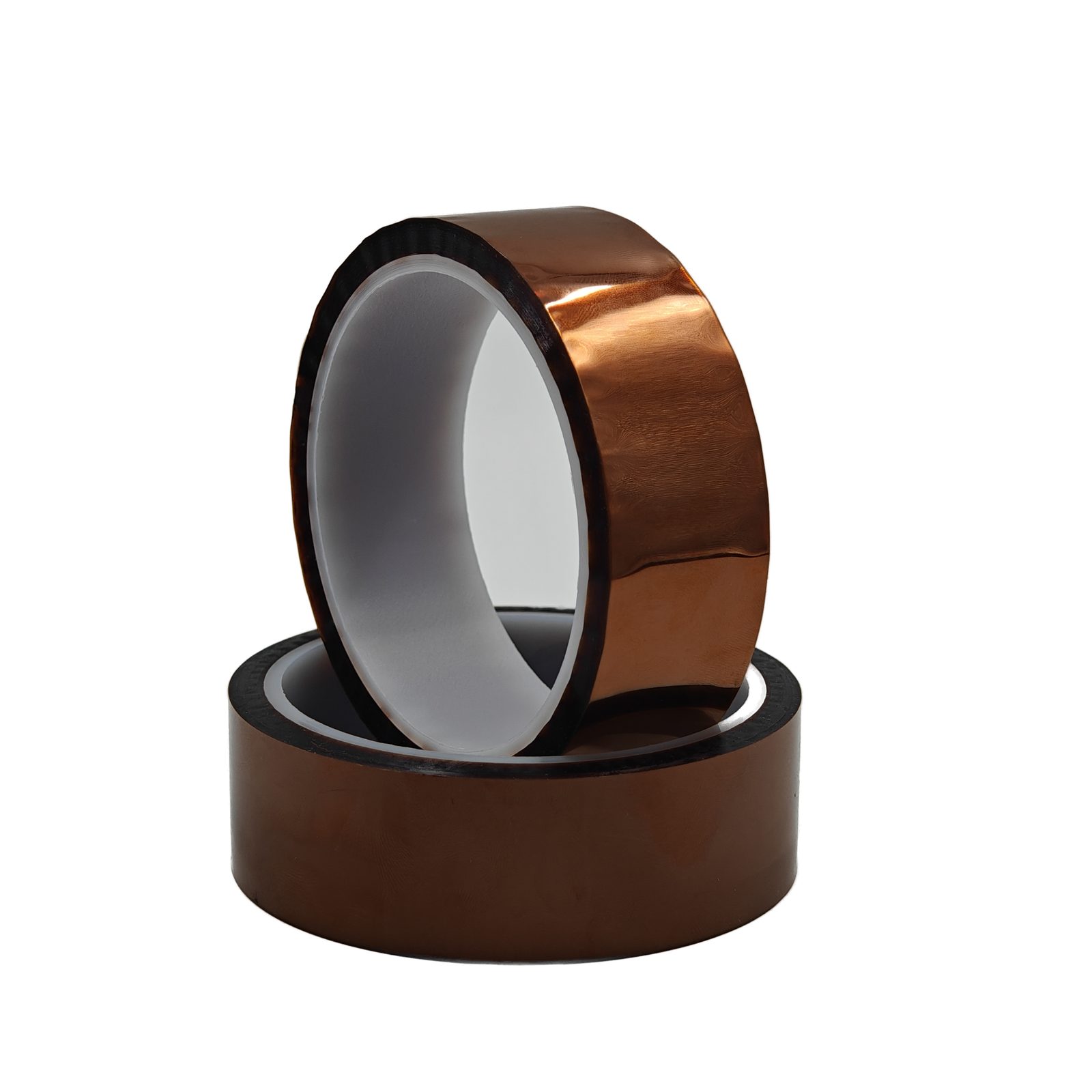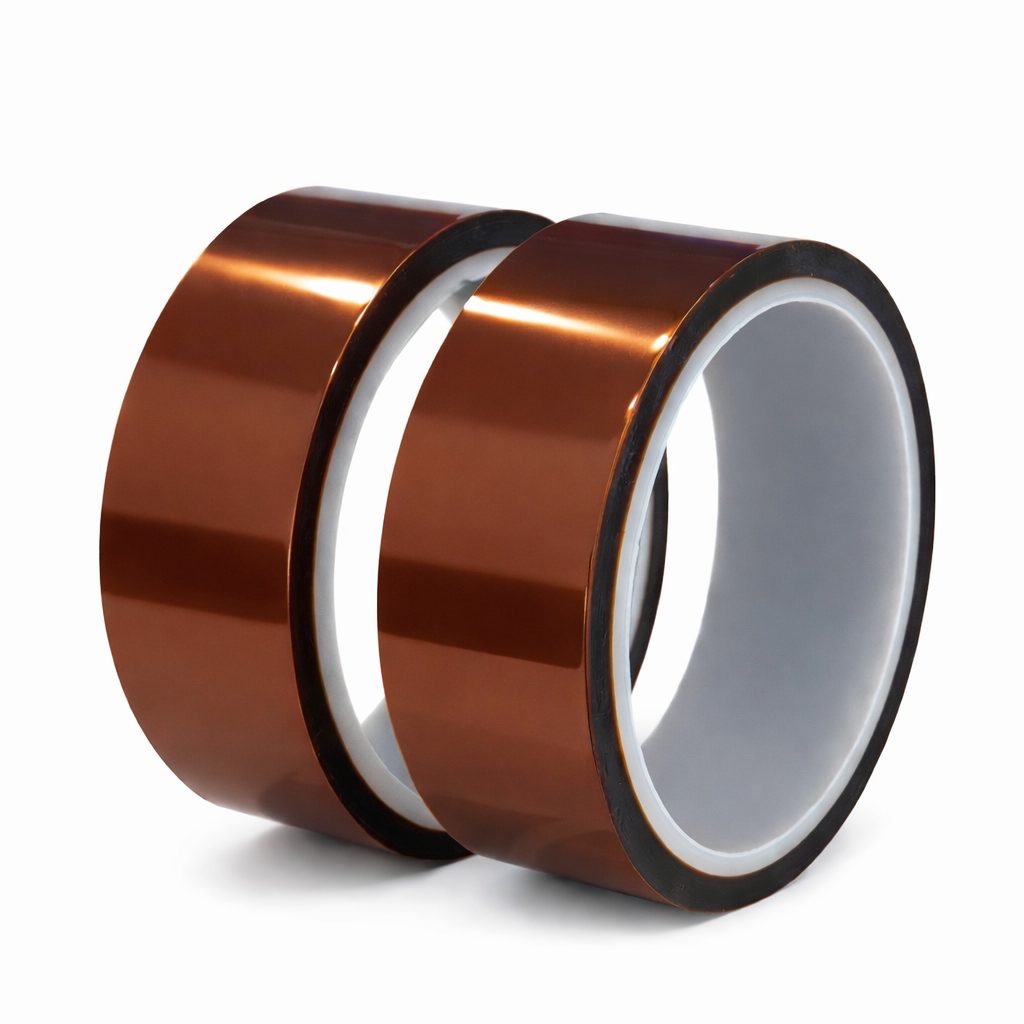
Fleece vs PET cloth tape: which belongs on an interior wiring harness? Start with the contact point. Fleece is suited to soft wrapping and noise damping near interior trim. A woven PET cloth grade with higher abrasion resistance is the stronger candidate where the harness is exposed to rubbing. For manual bundling, hand-tearability is another separate choice.
Those differences show up in three Chengrun grades: R1005 fleece, B1300 non-tearable PET cloth and BY1300 hand-tearable PET cloth. They are all black harness tapes, but specifying one in place of another can change the protection, bundle thickness and wrapping process.

Fleece and cloth describe the backing construction
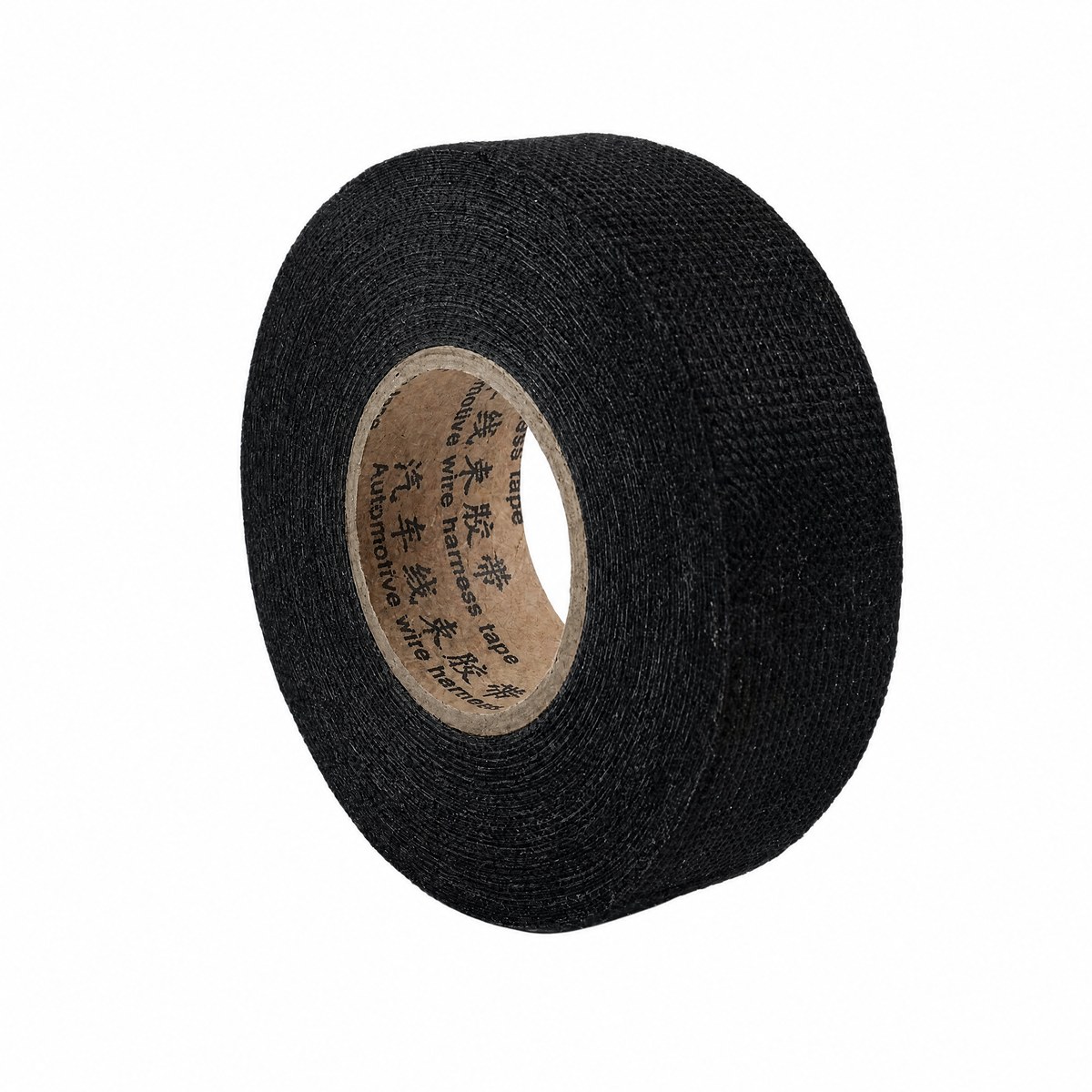
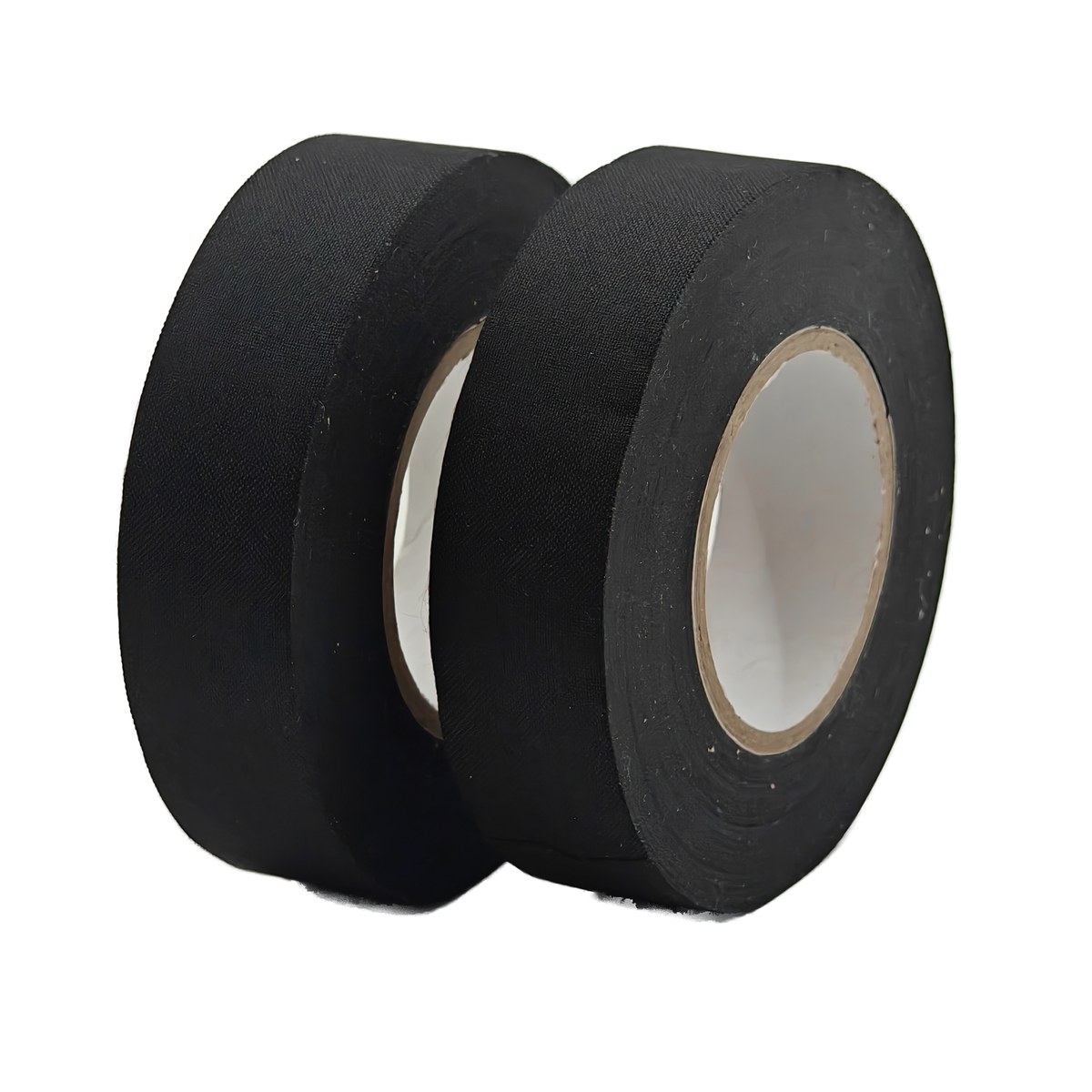
Both materials in this comparison are PET. R1005 uses a non-woven PET fleece backing with a soft surface. B1300 and BY1300 use woven PET cloth. The distinction is the construction of the backing, not polyester versus a different polymer.
R1005 fleece tape is the option to look at when a branch needs flexible wrapping and a cushioned contact surface. For wear protection, compare the abrasion performance of the actual cloth grade. The word “cloth” alone does not tell you how much protection it provides.
R1005 vs B1300 vs BY1300: the practical differences
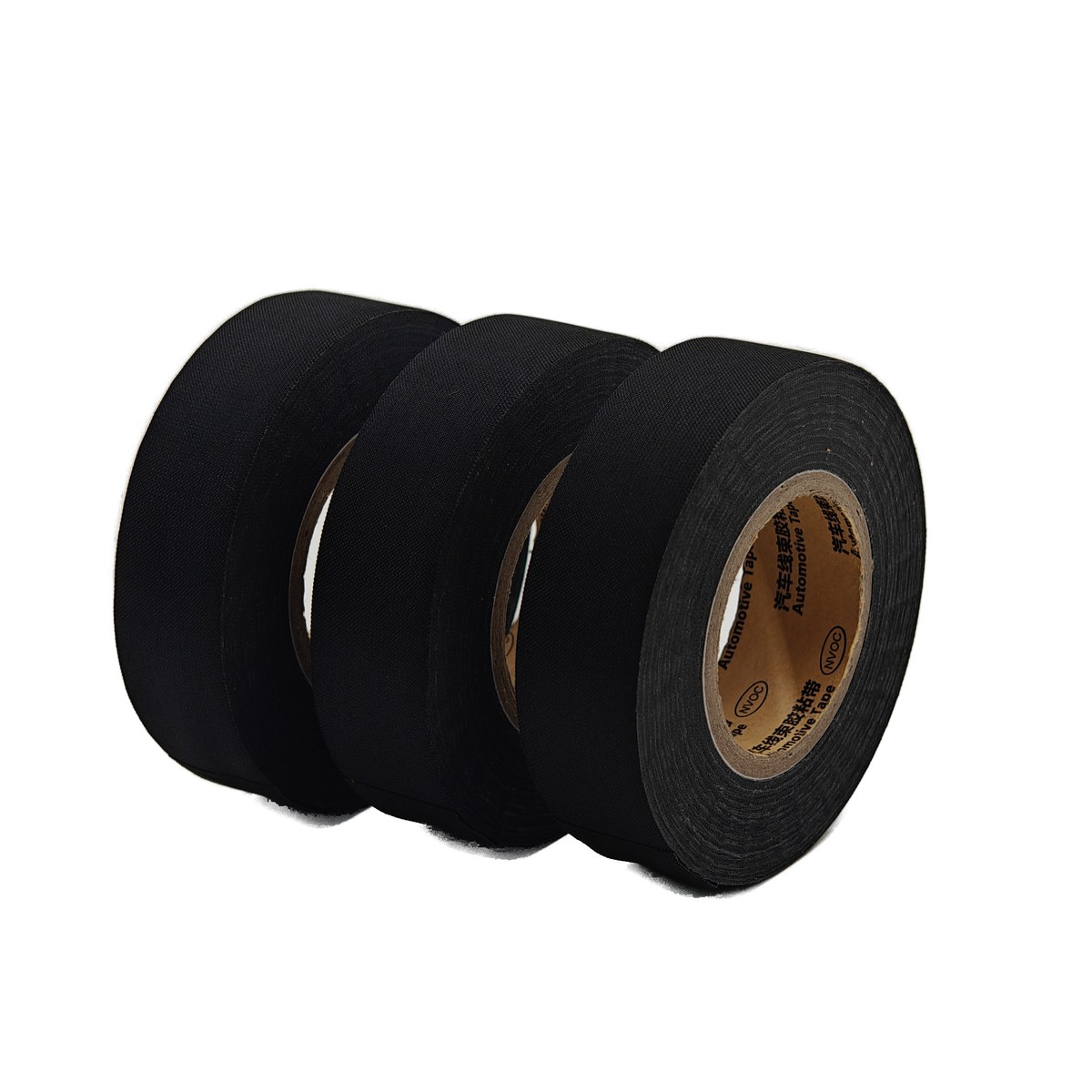
| Property | R1005 | B1300 | BY1300 |
|---|---|---|---|
| Backing | Non-woven PET fleece | Woven PET cloth | Woven PET cloth |
| Total thickness | 0.30 mm | 0.25 mm | 0.14 mm |
| Listed temperature range | −40°C to 105°C | −40°C to 125°C | −40°C to 125°C |
| Listed abrasion class | Class A | Class D | Class A |
| Hand-tearable | Yes | No | Yes |
| Main reason to consider it | Soft wrapping and noise damping | Greater abrasion protection | Manual wrapping without a cutting tool |
Values are taken from the R1005, B1300 and BY1300 product tables. They are reference values. For qualification, obtain the current specification and confirm the abrasion test method and temperature exposure conditions.
The thickness figures can be misleading if read on their own. R1005 is thicker than B1300, yet B1300 has the higher published abrasion class. A thicker wrap does not automatically give better wear protection.
The two cloth tapes also need to be distinguished. BY1300 is convenient to tear by hand, but its listed Class A abrasion performance differs from B1300’s Class D. It should not be substituted for B1300 solely to make wrapping faster.
Behind the dashboard: start with the source of contact noise
Consider a dashboard branch that can touch a plastic trim panel. The first questions are whether the branch is properly secured and what happens at the contact surface. R1005’s soft fleece backing makes it a candidate for cushioning that contact.
Check the wrapped branch in position. Does it still fit the clip? Does it bend cleanly at the breakout? Is there enough room behind the panel once the tape is applied? These checks connect the material choice to the space available in the assembly.
A tape’s laboratory noise-damping result is not a promised reduction in cabin noise. The position of the bundle, its fasteners and the surrounding trim all affect the result. Test the complete assembly when noise is the reason for choosing fleece.
Near a bracket: treat abrasion as its own requirement
A section exposed to repeated rubbing needs a different assessment. B1300 PET cloth tape offers a higher published abrasion class than R1005 and BY1300, making it the more relevant starting point among these three grades for a wear location.
Inspect the contact geometry as well as the tape. Wrapping does not make an exposed sharp edge acceptable; clearance, routing or additional protection may need attention.
One interior harness can therefore have different wrapping requirements along its length. In a proposed layout, fleece might be assessed near trim and a wear-resistant cloth grade near a rubbing point. Put those locations in the assembly drawing instead of leaving the operator to choose between similar-looking rolls.
For manual wrapping, compare the finished job
BY1300 hand-tearable PET cloth tape is worth considering for short branches and bundling work where its performance meets the drawing. R1005 is also hand-tearable, so the choice is not simply “cloth for speed, fleece for softness.”
Try both candidates on the actual bundle. Compare handling, the finished diameter, branch flexibility and the security of the tape ends. B1300 needs a cutting tool, but that extra operation may be justified where its abrasion performance is required. Our hand-tearable vs non-tearable cloth tape guide looks at that production choice in more detail.
What to include in a sample request
Give the supplier enough detail to recommend a construction rather than just a roll width:
- Installation position: dashboard, console, door section or another location, with the relevant contact points.
- Materials and space: wire insulation or conduit, bundle diameter, clip clearance and required tape width.
- Exposure: operating temperature, peaks and duration, plus moisture or fluid contact where applicable.
- Acceptance requirements: abrasion, noise, ageing and any specified VOC, odour or fogging tests.
For cabin applications, ask for emissions data against the required method and limit. A “low VOC” description does not replace those results. See our guide to VOC and fogging requirements for interior harness tape.
Common purchasing questions
Can one tape be used throughout an interior harness?
Yes, if that grade meets the requirements at every position. If some sections need cushioning and others need greater abrasion protection, specifying separate grades may be more appropriate. Record the locations and wrapping method for each.
Can BY1300 replace B1300 because both are PET cloth tapes?
Not on the backing name alone. Their published thickness, abrasion class and tearability differ. Check the original requirement before changing the grade, then validate the replacement on the relevant harness section.
Compare samples for your harness
Send Chengrun your installation position, tape width, temperature conditions and required tests. We can discuss R1005, B1300 and BY1300 with you and provide product information, samples and a quotation.
Request harness tape samples