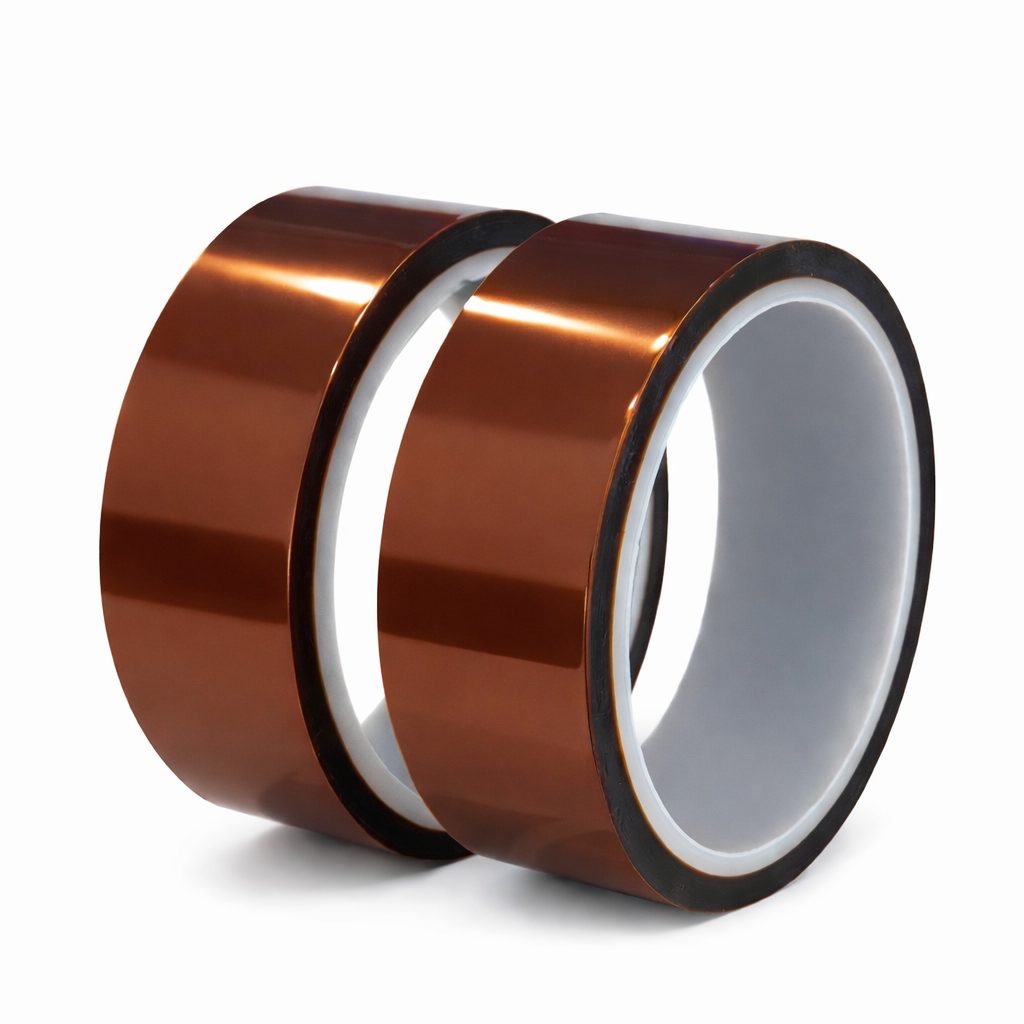
Understanding LV 312 Abrasion Classes
The LV 312 standard is pivotal in assessing the abrasion resistance of materials, particularly in the realm of harness tapes used in automotive and industrial applications. This standard categorizes materials into classes A through E, each representing distinct levels of resistance to wear and tear, which is crucial for ensuring longevity and reliability in practical environments.
Defining the Abrasion Classes
Classes A to E delineate a spectrum of abrasion resistance. Class A materials exhibit the highest resistance, making them suitable for high-stress applications, while Class E represents the lowest level of resistance. The categorization is based on standardized testing, where samples undergo rigorous abrasion processes to assess their durability over time. The results from these tests inform manufacturers and engineers in the selection process for appropriate materials.
The Testing Methodology
The testing procedure for LV 312 involves subjecting the material samples to a controlled abrasion environment, often utilizing specific machines designed to emulate real-world wear conditions. These tests typically measure the loss of material over a defined number of cycles, allowing for a quantifiable comparison across different classes. The method ensures that the results are consistent and repeatable, thereby providing a reliable basis for specification.
Key Measurements and Indicators
During the abrasion testing, several key indicators are measured, including the weight loss of the material and the visual assessment of surface integrity. The weight loss is particularly significant; for instance, a Class A tape might lose no more than 1 gram after 1000 cycles, whereas a Class E tape could lose upwards of 5 grams. This quantitative data not only establishes the class but also aids in understanding how the tape will perform in various applications.
Implications for Harness Tape Selection
When specifying a harness tape, understanding the LV 312 abrasion classes is essential. For applications exposed to harsh conditions, such as automotive wiring or industrial machinery, selecting a Class A or B tape may be warranted. Conversely, less demanding environments may only require Class C or D tapes, which could offer cost savings without compromising on essential performance metrics.
Performance Beyond Abrasion Resistance
While abrasion resistance is a critical factor, it is not the sole criterion for harness tape selection. Other performance characteristics, such as temperature resistance, adhesive strength, and chemical compatibility, also play significant roles. For instance, a tape like chengrun tape may provide excellent abrasion resistance, but if it fails to adhere under high temperatures, it will not fulfill its intended purpose.
Industry Standards and Compliance
Compliance with industry standards is paramount when selecting materials for specific applications. The LV 312 standard is widely recognized, but it is often supplemented with additional criteria from organizations such as ISO or IEC. These standards ensure that materials not only meet abrasion resistance requirements but also adhere to safety and quality benchmarks necessary for consumer protection and operational efficiency.
Evaluating Manufacturer Claims
Manufacturers often provide data on the abrasion class of their products, but it is crucial to scrutinize these claims. Independent testing and certifications can add credibility to the manufacturer's assertions. Moreover, understanding the specifics of how these tests are conducted can help engineers make informed decisions based on real-world performance rather than merely marketing claims.
Conclusion of the Selection Process
Ultimately, specifying the right harness tape requires a comprehensive understanding of the LV 312 abrasion classes and their implications. By carefully evaluating the test results alongside other material properties, engineers can ensure they choose a product that not only meets the demands of their application but also aligns with industry standards for safety and performance.
Data Sources & References:
1. LV 312 Standard Information: ISO
2. Abrasion Testing Methodology: ASTM