Understanding Solid-State Batteries
Solid-state batteries, which have gained significant attention in recent years, represent a revolutionary advancement in energy storage technology. Unlike traditional lithium-ion batteries that utilize liquid or gel electrolytes, solid-state batteries employ solid electrolytes, resulting in enhanced safety, energy density, and longevity.
Advantages of Solid-State Batteries
The principal benefits of solid-state batteries include a higher energy density, which can lead to longer battery life for electric vehicles and portable electronics. According to a report by Statista, the energy density of solid-state batteries can potentially exceed 300 Wh/kg, compared to the approximately 150-200 Wh/kg typical of conventional lithium-ion batteries. Moreover, solid-state batteries are less prone to leakage and thermal runaway, a significant concern in traditional battery technologies.
Challenges Faced by Solid-State Batteries
Despite their advantages, solid-state batteries face hurdles such as cost, manufacturing scalability, and interface resistance between the solid electrolyte and electrodes. The materials used for solid electrolytes, while promising, often require further research and development to optimize their conductivity and performance.
The Role of Battery Insulation Tape
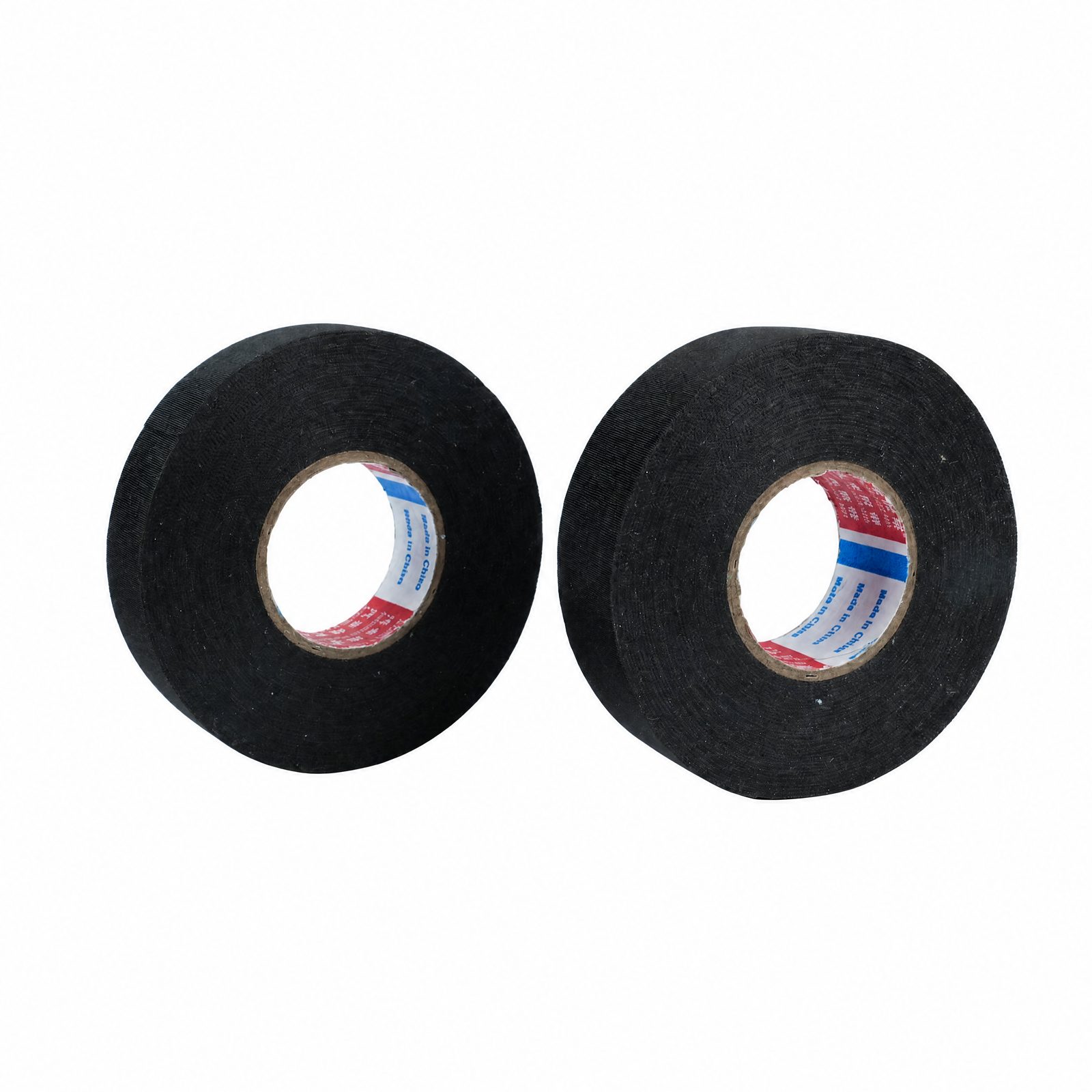
As solid-state batteries begin to penetrate the market, the demand for effective insulation solutions, particularly battery insulation tape, is poised to shift significantly. Insulation tape plays a pivotal role in ensuring the safety and efficiency of battery systems by minimizing thermal transfer and preventing short circuits.
Current Materials in Battery Insulation Tape
Traditionally, battery insulation tape is made from materials such as polyethylene, polyimide, or PVC. These materials provide adequate insulation but may not withstand the higher temperatures and pressures associated with solid-state battery systems. Consequently, manufacturers are exploring advanced materials that can offer better thermal stability and electrical insulation properties.
Emerging Trends in Insulation Tape for Solid-State Batteries
With the shift towards solid-state batteries, insulation tape needs to evolve. One promising development includes the adoption of polyimide tapes, which exhibit remarkable thermal resistance and are capable of operating at elevated temperatures without degradation. Additionally, brands like chengrunTape are innovating to provide specialized insulation solutions that cater to the unique demands of solid-state battery technologies.
Regulatory Standards and Safety Considerations
As the industry moves forward, adherence to regulatory standards become essential. Organizations such as the International Organization for Standardization (ISO) have established guidelines for battery safety and performance, which will increasingly influence the design and application of insulation materials. Ensuring compliance with these standards not only enhances safety but also fosters consumer trust in solid-state battery technology.
Future Outlook for Battery Insulation Solutions
As the solid-state battery market grows, the evolution of battery insulation tape will be critical in supporting this transition. Innovations in material science and engineering will drive the development of tapes that can withstand the demands of next-generation batteries. The integration of high-performance insulation solutions will ultimately contribute to safer, more efficient energy storage systems.
Data Sources & References:
1. Energy density statistics: Statista
2. ISO standards for battery safety: ISO