Compare wire harness tape abrasion resistance only when the reports describe comparable test conditions. The class or cycle count is the result. To judge it, you also need the test method, specimen geometry, sample preparation and failure criterion.
Before choosing between two rolls, put the reports side by side. A higher number may justify a closer look, but a difference in test setup can make a direct ranking misleading.

Start with the wear location
Mark the bracket, clip or body-panel contact that prompted the abrasion requirement. A useful application photo shows the contact surface, available clearance and how the bundle is retained. Include the harness diameter and any movement expected at that location.
This helps distinguish material selection from an installation problem. A loose bundle or exposed sharp edge needs attention to routing, fastening or additional protection. Selecting a tape with a higher abrasion rating does not resolve those conditions on its own.
What must match in an abrasion test comparison?
For a direct comparison, use the same specified procedure and comparable specimen preparation. The following details belong beside the result, rather than in a separate conversation after samples have been ordered.
| Report field | What to compare |
|---|---|
| Method and edition | Standard, revision and test clause; record any departures from the method. |
| Specimen geometry | Mandrel or support diameter and the way the tape is positioned. |
| Sample identity | Record the grade and batch for each specimen. Different products will have different identifiers. |
| Specimen preparation | Compare tape width, number of layers, orientation and application procedure. |
| Abrading setup | Contact tool, applied load and motion settings specified by the procedure. |
| Conditioning | As-received or aged sample; temperature, duration and other treatment. |
| Endpoint and count | Failure criterion, definition of a stroke or cycle, and any test stop limit. |
| Results and reporting | Individual specimen results, number tested and how the reported result was calculated. |
The diameter matters. LV 312 abrasion results can be reported for different mandrel diameters, and the same tape can receive different classes on different diameters. Keep that dimension attached to the result when copying it into a purchasing comparison.
For example, imagine one report uses a 5 mm mandrel and another uses a 10 mm mandrel. Even if the second shows a higher count, that pair alone does not establish which tape performs better under a shared setup. Request results on the required diameter. This is a comparison example, not a test result for any Chengrun grade.
Read the class and the measured result separately
A class groups results into a range; it is not an exact count. In the LV 312 abrasion classification discussed here, Class E represents higher abrasion resistance than Class D, while Class A is at the lower end. The applicable edition and test conditions still belong in the specification.
Ask whether the report shows the count at failure or says that the specimen survived a test stopped at a set limit. “At least” a stated number and failure at that number are different results. Also keep the report’s original unit: clarify what it calls a stroke or cycle before comparing numbers from another laboratory.
Neither a class nor a laboratory count predicts kilometres or years of service. A vehicle installation introduces its own contact geometry, movement and exposure.
B1300 vs B1600 vs X-1300A: published abrasion data
Chengrun’s product data sheets list the following typical values. Use them to shortlist samples, then compare the underlying reports for your required test setup.
| Property | B1300 | B1600 | X-1300A |
|---|---|---|---|
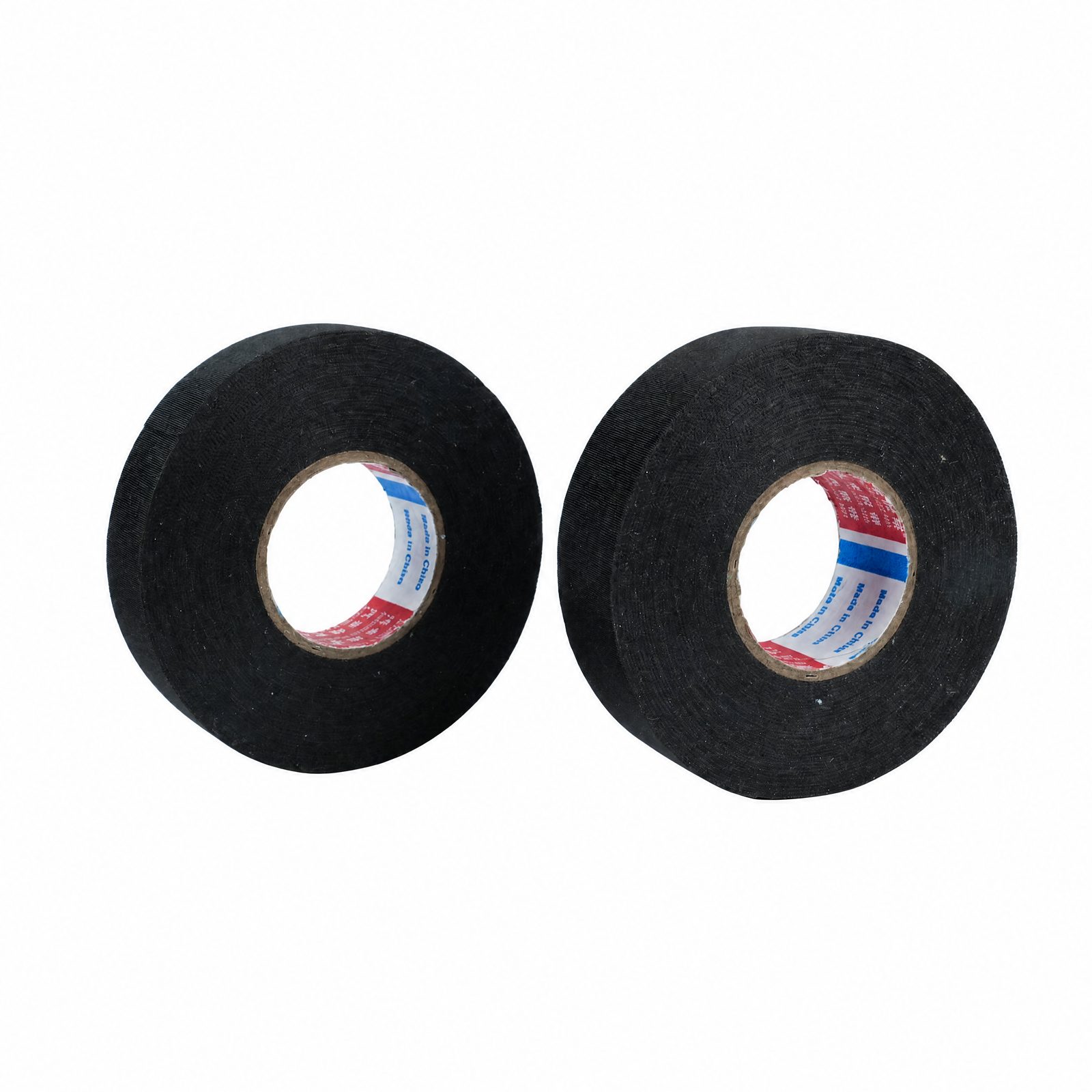
| Backing | PET polyester cloth | PET polyester cloth | PET polyester fabric |
| Listed thickness | 0.25 mm | 0.25 mm | 0.50 ± 0.06 mm |
| Listed abrasion class | Class D | Class D | Class E |
| Listed abrasion range | 1,000–4,999 cycles | 1,000–4,999 cycles | 5,000–14,999 cycles |
| Mandrel diameter and full method | Not specified in the data sheet | Not specified in the data sheet | Not specified in the data sheet |
Source: Chengrun B1300/B1600 and X-1300A product data sheets, page 1. “Cycles” follows those sheets. Request the full test conditions and counting definition before making a direct comparison.
B1300 and B1600 PET cloth tape have the same listed abrasion class. Their temperature ratings differ, as explained in our 125°C vs 150°C engine-bay harness tape guide. A higher temperature limit does not imply a higher abrasion class.

X-1300A flexible sleeve tape is listed in a higher abrasion band and is thicker. Include it in a sample comparison where wear protection is a priority, while checking wrapped diameter, clip fit and bending at branches. The class alone cannot tell you whether the finished assembly fits.

Keep fresh and aged test results separate
Keep as-received and aged results in separate columns. If the customer requires abrasion performance after heat aging or another exposure, use that sequence for the comparison. A fresh-sample result does not answer an after-aging requirement.
Use the intended wire materials and wrapping method for the installation trial. Record overlap, bundle diameter and end finish, then inspect the relevant contact locations. A standard test compares specimens under controlled conditions; the assembly trial checks how the selected construction works in its intended route.
What to send with an abrasion-report request
- A photo or drawing of the wear location, with bundle diameter and clip details.
- The required method, edition, mandrel diameter and acceptance class or count.
- Whether the requirement applies before or after conditioning, with exposure details.
- The grades, widths and sample quantities you want to compare.
If the drawing only says “high abrasion,” ask the customer to define the acceptance requirement before approving a substitution. This gives purchasing and the laboratory the same target.
Can two Class D tapes be treated as interchangeable?
No. First compare the test conditions and the application requirements. The class does not describe handling, adhesion, thermal performance or the finished bundle size.
Request reports and comparison samples
Send Chengrun your wear-location drawing and test requirement. Request the available reports and B1300, B1600 or X-1300A samples in the widths needed for your trial.