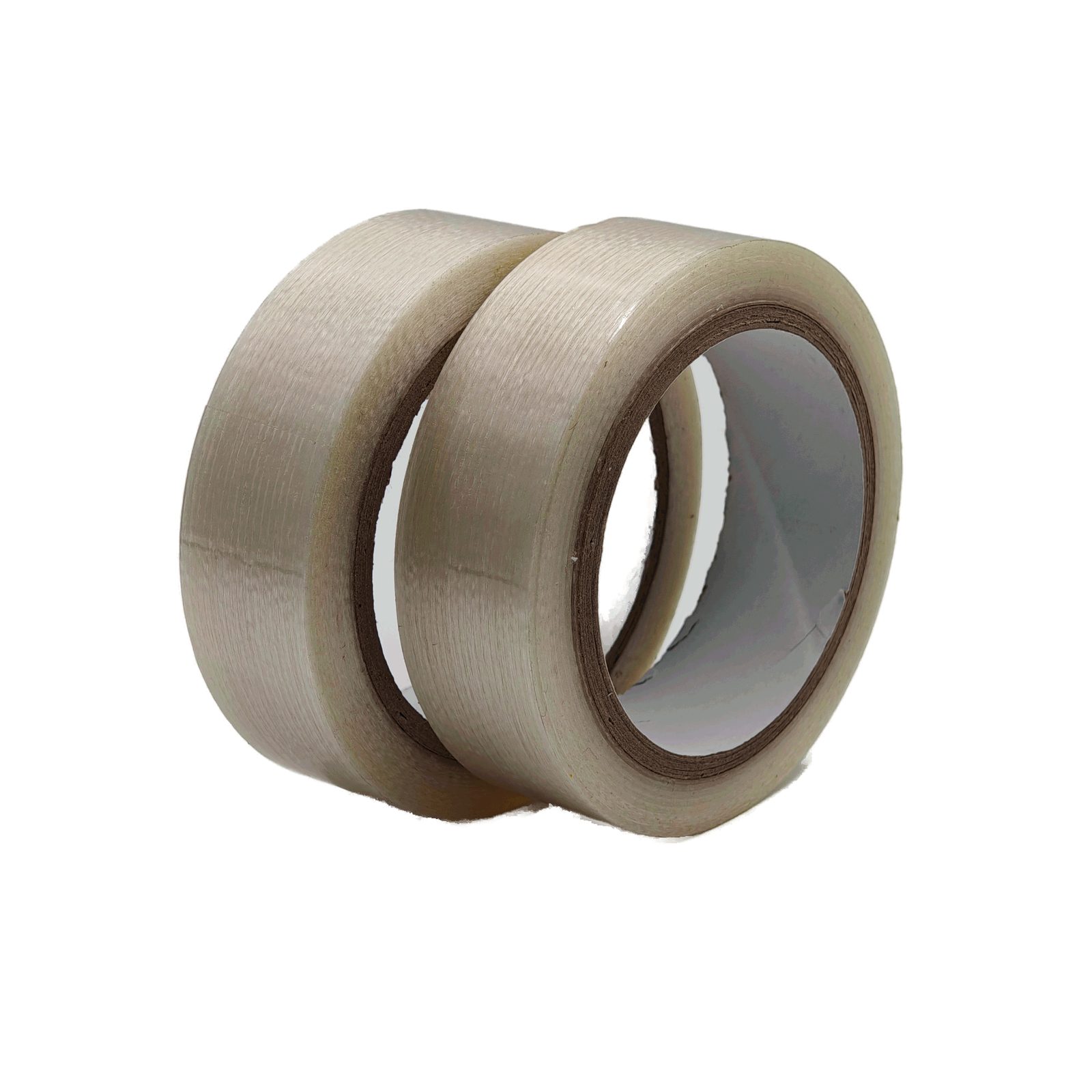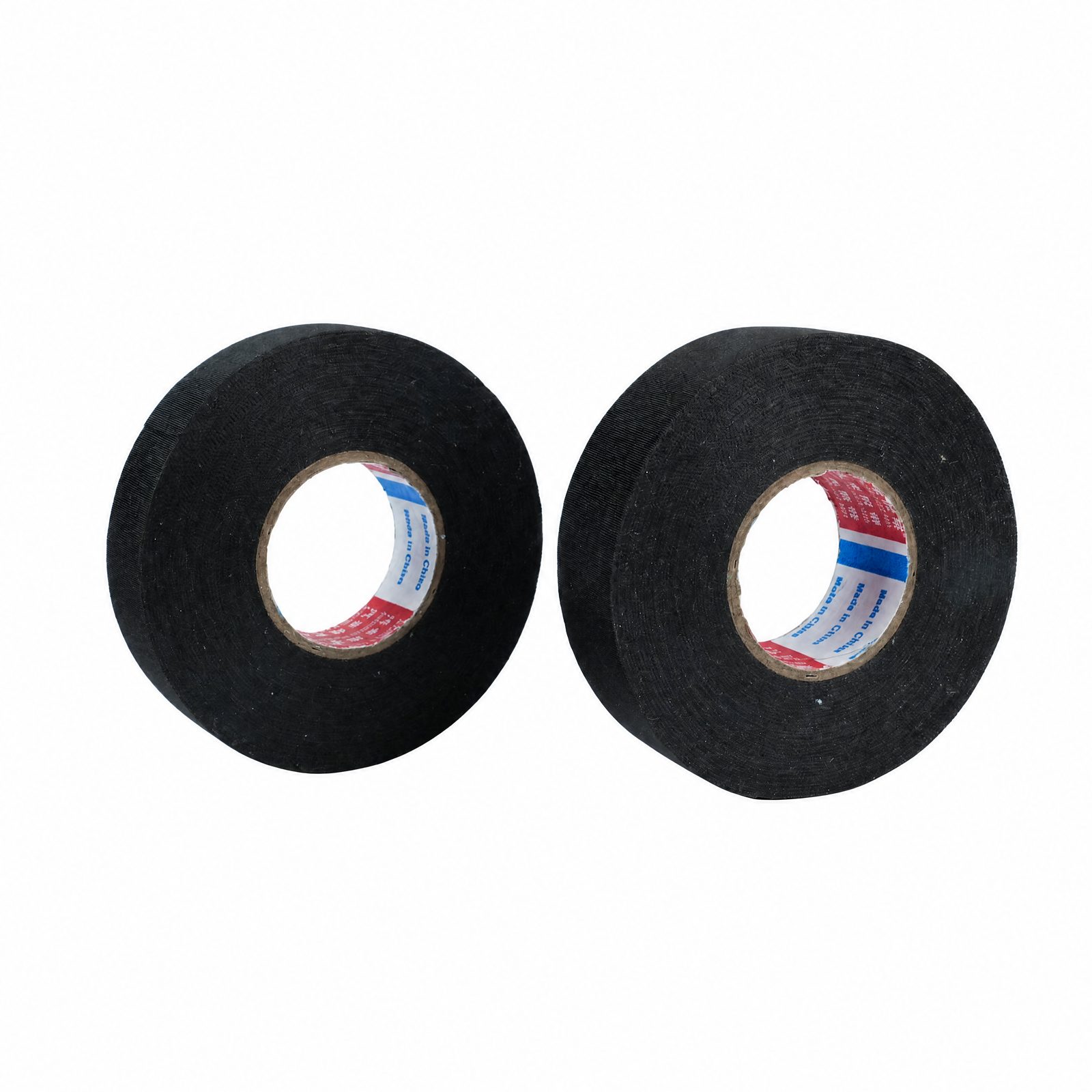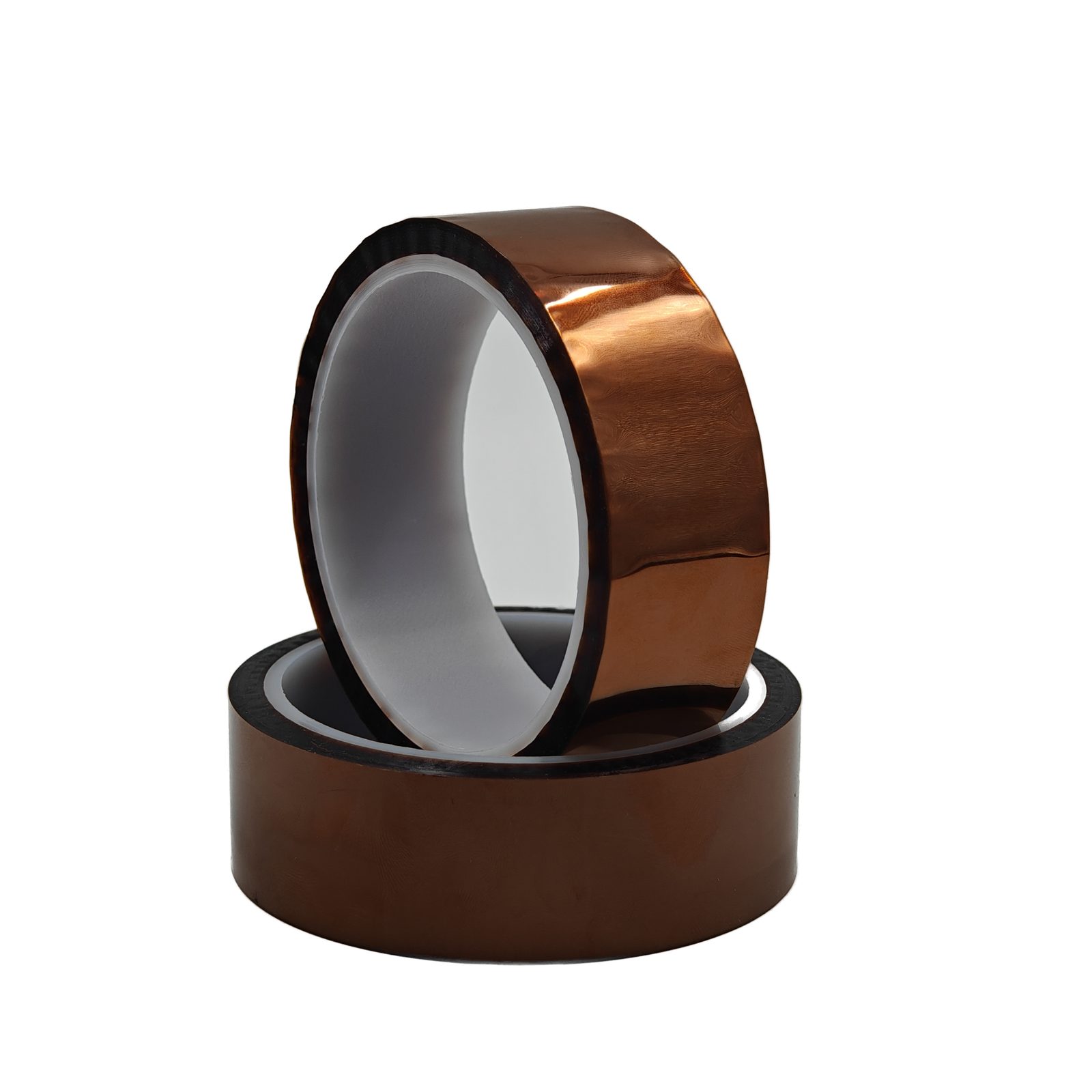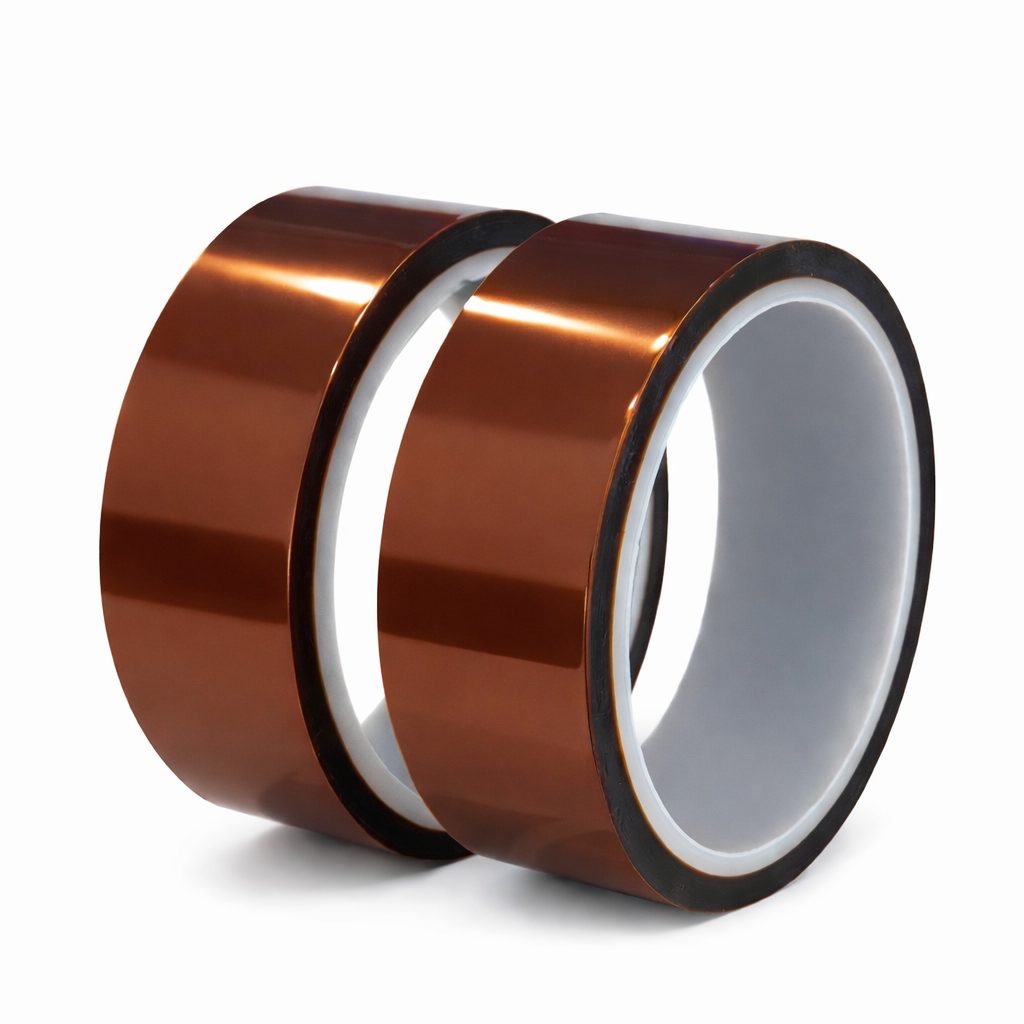
Choosing engine bay wiring harness tape starts with the temperature at the wrapped bundle and how long it stays hot. Chengrun lists B1300 at −40°C to 125°C and B1600 at −40°C to 150°C. Use those ranges to shortlist a grade, then match its documented test conditions to the installation.
A request for “150°C harness tape” is more useful when it includes a route photo and a temperature record. These show where the tape will sit, how long it will be exposed to heat and which sections need closer review.

Map the temperature along the harness route
Different branches can face different conditions within the same engine bay. On a drawing or photograph, mark the wrapped sections, nearby heat sources, shields and clips. Label the measurement locations so the supplier can distinguish a reading at the bundle from an air-temperature reading elsewhere.
The temperature record should cover the operating conditions relevant to that route, including load, ambient conditions and the period after shutdown. The vehicle or harness team should define these conditions. Where branches run through different areas, record their exposure separately.
What does a harness tape temperature rating tell you?
A temperature limit needs a time basis and an acceptance criterion. Check these separately:
- Sustained exposure: the temperature, duration and required condition of the tape and cable after aging.
- Short peaks: the peak temperature, its duration and how often it occurs.
- Thermal cycling: the hot and cold conditions, transitions and number of cycles.
- Post-shutdown exposure: the measured temperature history after operation ends.
The Chengrun B1300/B1600 data sheet gives temperature ranges without exposure hours or a separate peak allowance. Before specifying continuous use, obtain the test duration, cable materials and acceptance criteria. A short excursion above the listed maximum also needs supporting evidence.
B1300 vs B1600: temperature ratings and other differences
Both are non-tearable PET cloth harness tapes. The B1300 and B1600 PET cloth harness tape specifications list the following typical values.
| Property | B1300 | B1600 |
|---|---|---|
| Listed temperature range | −40°C to 125°C | −40°C to 150°C |
| Backing | PET polyester cloth | PET polyester cloth |
| Total thickness | 0.25 mm | 0.25 mm |
| Listed abrasion performance | Class D; 1,000–4,999 cycles | Class D; 1,000–4,999 cycles |
| Hand-tearable | No | No |
| Temperature test duration | Not stated in the reviewed sheet | Not stated in the reviewed sheet |
| Separate short-term peak allowance | Not stated in the reviewed sheet | Not stated in the reviewed sheet |
Source: Chengrun B1300/B1600 product data sheet, pages 1–2, checked against the online product table on 18 November 2026. Typical values; request the current report for abrasion methods and specimen conditions.

If the recorded temperature exceeds 125°C, it is outside B1300’s listed range. Before selecting B1600, confirm that its test conditions cover the temperature and exposure time. Below 125°C, B1300 can remain a candidate, subject to the same checks on duration and cable compatibility. If neither grade has evidence covering the requirement, review other materials or the route.
The table also shows why a higher temperature limit should not be read as better performance in every respect: both grades have the same listed thickness and abrasion class.
Check cable materials, fluids and contact points
Heat is only part of the application. The tape also touches a cable jacket, sleeve or conduit, and those materials belong in the sample test. Where oil, coolant, fuel or cleaning fluids may reach the bundle, specify the fluid and exposure conditions. Fluid resistance needs its own evidence; a PET cloth backing alone does not establish it.
At brackets and clips, look for movement and rubbing, as well as clearance from edges. Resolve sharp edges and fastening problems in the installation design before relying on the wrap for wear protection.
Validate a wrapped sample before production
Use the intended wire materials, bundle diameter, tape width, overlap and end finish. Agree on the test sequence and pass criteria before testing; otherwise “looks acceptable” can mean different things to purchasing and engineering.
- Record the initial wrap and identify the tape grade and batch.
- After the agreed aging exposure, inspect for end lifting, loosening, cracking or adhesive transfer.
- Check the cable jacket and any contacting materials for changes relevant to the specification.
- Where required, assess abrasion or other mechanical performance after aging, not only on fresh tape.
The test record should identify the wire material, tape batch, wrapping method and exposure. That makes the result useful when the production specification is reviewed or a material changes.
Send these details with a sample request
| Information | What to provide |
|---|---|
| Installation | Route drawing or photo; nearby heat sources and shields |
| Normal temperature | Recorded temperature, operating condition, sensor location and measurement method |
| Peak exposure | Temperature, duration and frequency |
| Cycles and shutdown | Relevant hot/cold cycles and post-shutdown temperature history |
| Contact materials | Cable jacket, sleeve or conduit material |
| Fluids and wear | Expected media, exposure conditions, clips and abrasion points |
| Validation and format | Customer specification, pass criteria, tape width, roll length and sample quantity |
Questions before specifying a grade
Is 150°C tape always necessary in an engine bay?
No. The choice depends on the conditions along the harness route and the customer's specification. A 125°C grade can be considered where its documented performance covers those requirements.
What should I request with the samples?
Ask for the current specification, relevant temperature and abrasion reports, and confirmation that the samples match the proposed production grade.
For cabin contact and noise considerations, see our comparison of fleece and PET cloth tape for interior wiring harnesses.
Request B1300 or B1600 samples
Send Chengrun the checklist above with your preferred tape width and sample quantity. Include the temperature record and any customer test specification so the grade review can address your actual installation.