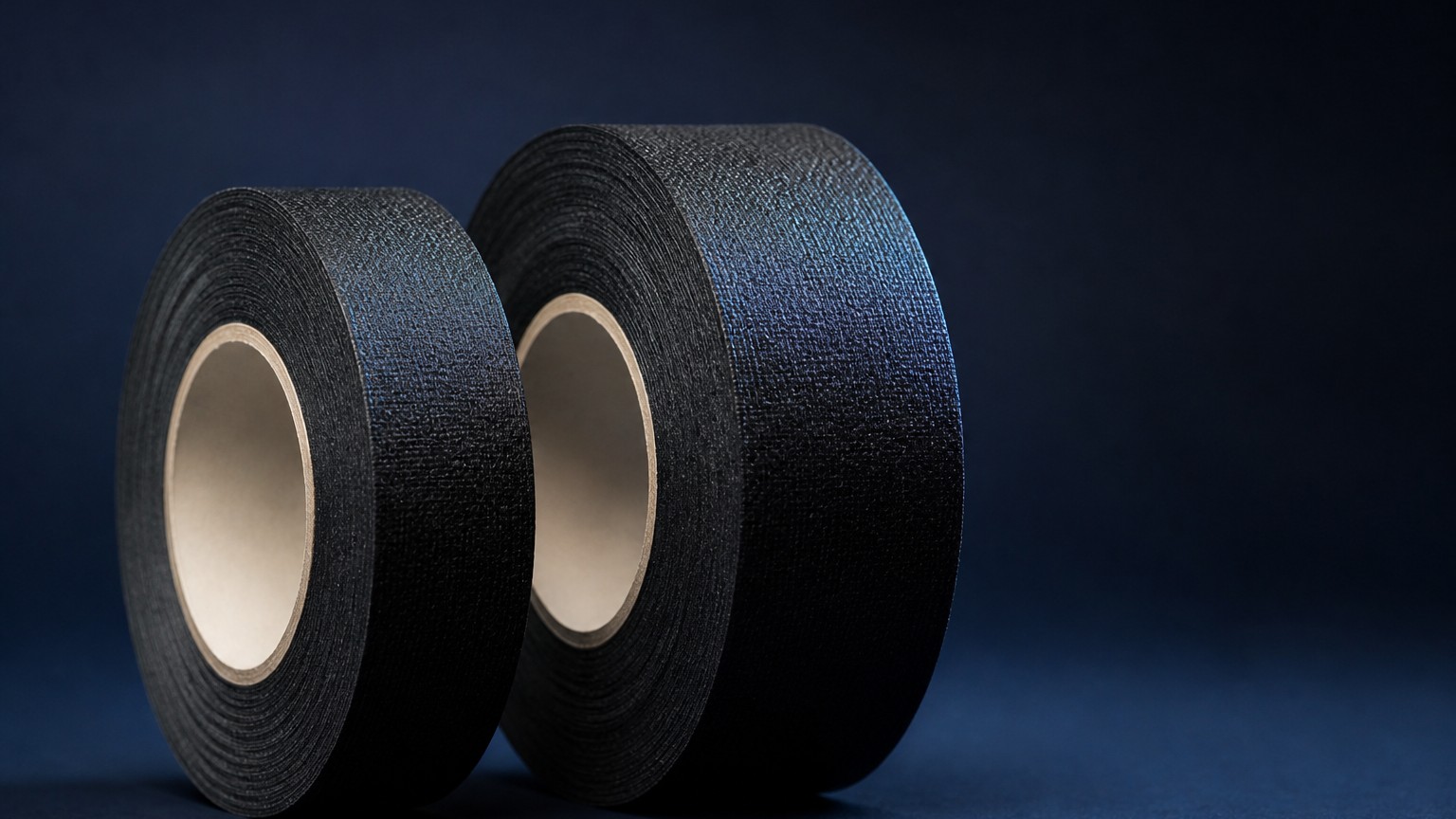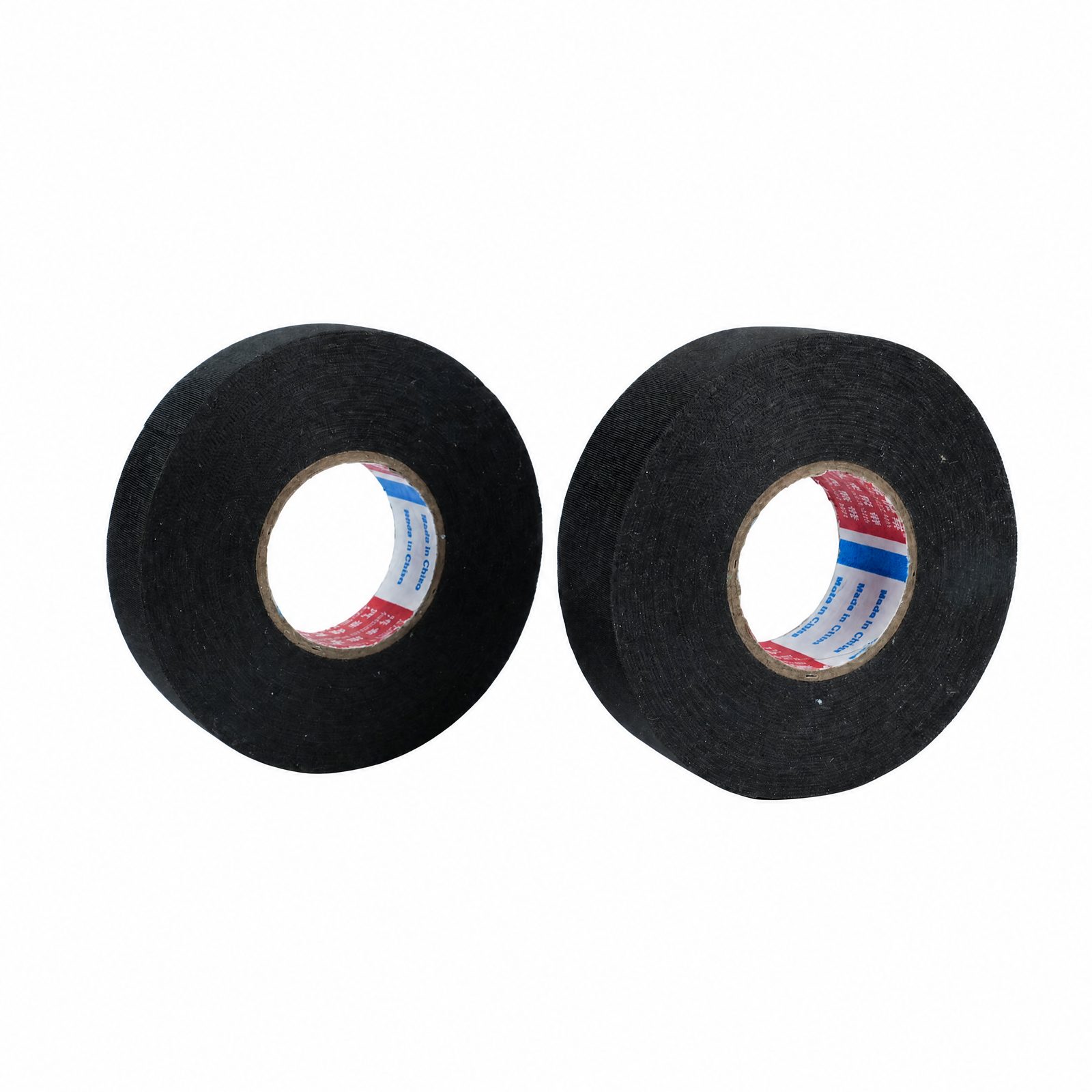
This is one of the few tape decisions that is genuinely about your factory rather than your product. The two PET Cloth Tapes — hand-tearable and non-tearable — come from the same family of polyester fabric constructions, and the differences show up in how they behave on the harness board.
What actually differs
| Aspect | Hand-tearable | Non-tearable |
|---|---|---|
| Application speed | Fast — torn by hand | Requires a dispenser or scissors |
| Abrasion protection | Good | Higher — tougher fabric construction |
| Edge quality | Ragged tear line | Clean cut edge |
| Best for | Manual wrapping, rework, service | Automated cutting, high-wear runs |
Choose hand-tearable when labour is the constraint
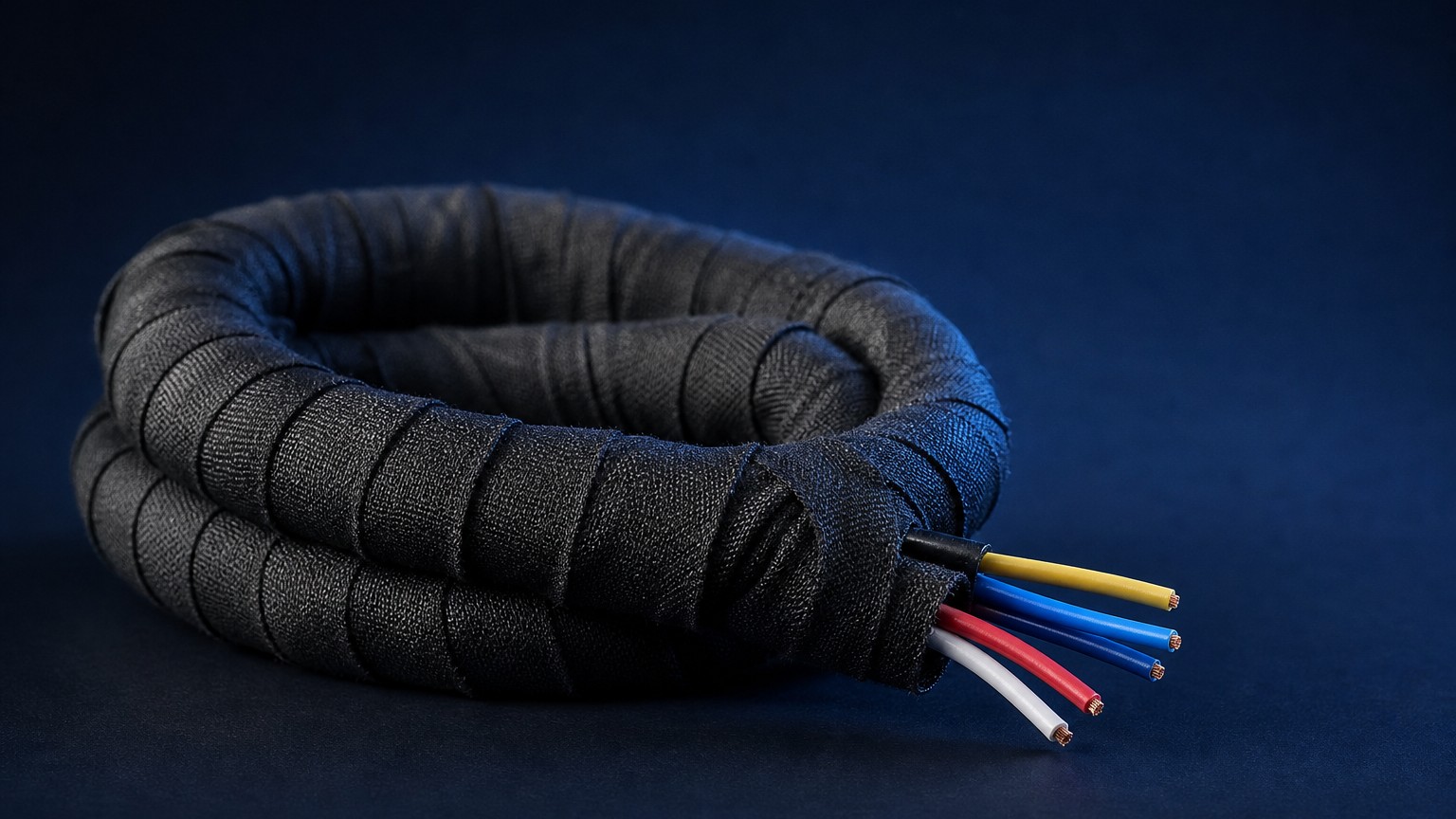
If operators wrap harness branches by hand, hand-tearable tape removes a tool from the process. That matters most for short branches, for rework stations and for low-volume harnesses where set-up time dominates.
Choose non-tearable when protection is the constraint
Where a harness runs against brackets, body panels or other hard parts, the tougher construction and clean edge of a non-tearable cloth tape hold up better. It is also the sensible choice when the tape is applied by a machine that cuts to length, because the tape is being cut anyway.
The cost calculation that matters
The instinct is to compare price per roll. In practice, the relevant number is cost per finished harness, which includes how long the wrap takes, how often the operator has to fetch a tool, and how many harnesses need rework after a failed abrasion test. A tape that costs a little more per roll and halves the wrapping time is usually the cheaper tape.
A practical middle path
Many harness shops use both: hand-tearable tape for the majority of wrapping, and non-tearable tape on the high-wear positions identified by their own durability testing. Since the two constructions share the same temperature and VOC performance envelope, mixing them does not complicate the approval file.