Choose tape for transformer winding by its job at each location: electrical insulation, lead fixing or mechanical reinforcement. A strip holding an insulated lead in place has a different acceptance test from a barrier between windings. If one strip performs both jobs, the specification needs to cover both.
Start with a marked winding drawing. Show where the tape sits, what it touches and what would happen if it moved or failed. That makes a sample request more useful than a description such as “high-temperature transformer tape.”

Three tape duties to mark on the winding drawing
| Duty | Typical location | Evidence to request |
|---|---|---|
| Electrical insulation | A specified barrier between winding sections or between live parts and other components. | Dielectric test method, thickness and layer construction, conditioning, and the applicable insulation-system requirements. |
| Lead fixing | An already-insulated lead retained beside the bobbin or coil. | Adhesion to the actual wire insulation and bobbin; movement or lifting after assembly and processing. |
| Mechanical reinforcement | An outer wrap retaining a coil package or other specified assembly. | Required retention load, backing strength in the relevant direction, overlap and performance after heat or impregnation. |
The visible outer wrap does not tell you how the electrical barrier underneath was built. Likewise, a tape that stays firmly attached during handling has not, by that observation alone, demonstrated the required dielectric performance.
Where C8020, PI5300 and BX8150 fit into the discussion
C8020: start with lead fixing and wrapping requirements
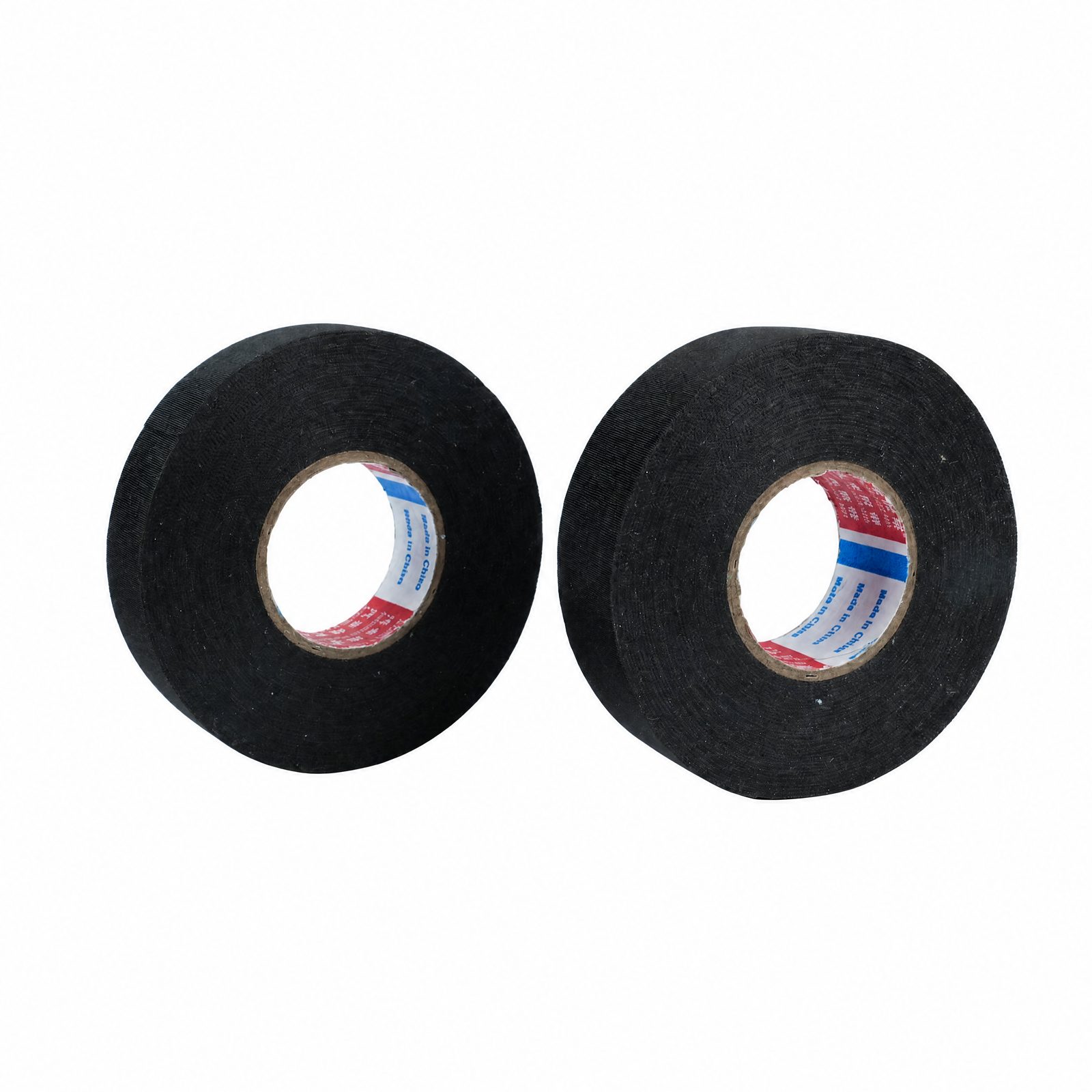
C8020 acetate cloth tape is listed for harness fixing in transformers and other electronic equipment. Its product sheet identifies a synthetic-rubber adhesive, a typical total thickness of 0.20 mm and hand-tearable handling. These details make it a candidate to assess where operators need to retain and wrap insulated leads.
Check the cut width against the available space and the actual contact surface. Hand tearability is convenient during assembly; it does not define the number of layers needed for an electrical barrier. The supplied C8020 sheet does not give a breakdown-voltage value, so request the relevant electrical evidence before assigning it an insulation function.
PI5300: review the film construction and electrical test conditions
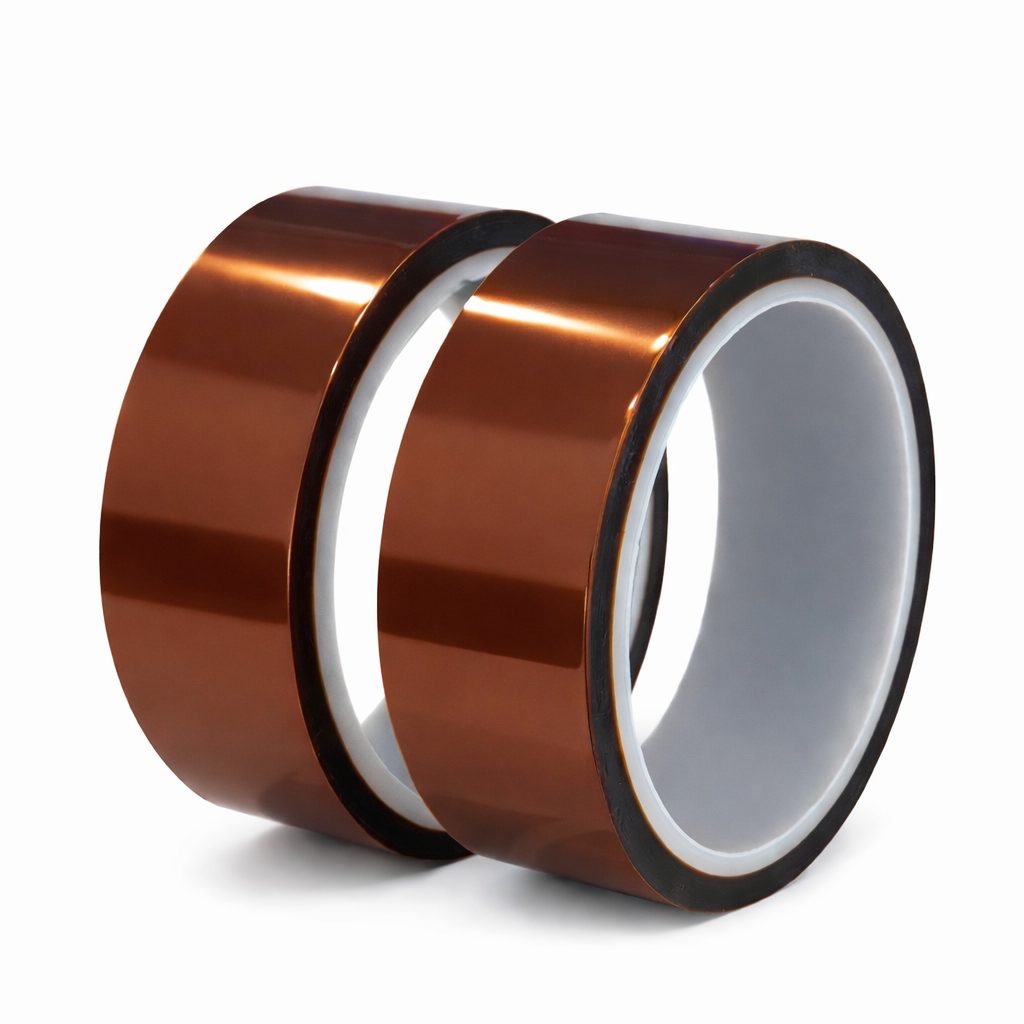
PI5300 polyimide tape uses polyimide film with a silicone pressure-sensitive adhesive. Its sheet lists a typical total thickness of 0.050 ± 0.002 mm and a breakdown voltage of 5 kV. The sheet does not state the dielectric test method or conditioning alongside that figure.
The 5 kV figure is not a transformer working-voltage rating. Ask which specimen and test conditions produced it, then assess the proposed layer arrangement and finished assembly against the design requirements. Tape edges, seams and lead exits also belong in that review.

BX8150W / BX8150H: define the reinforcement duty first
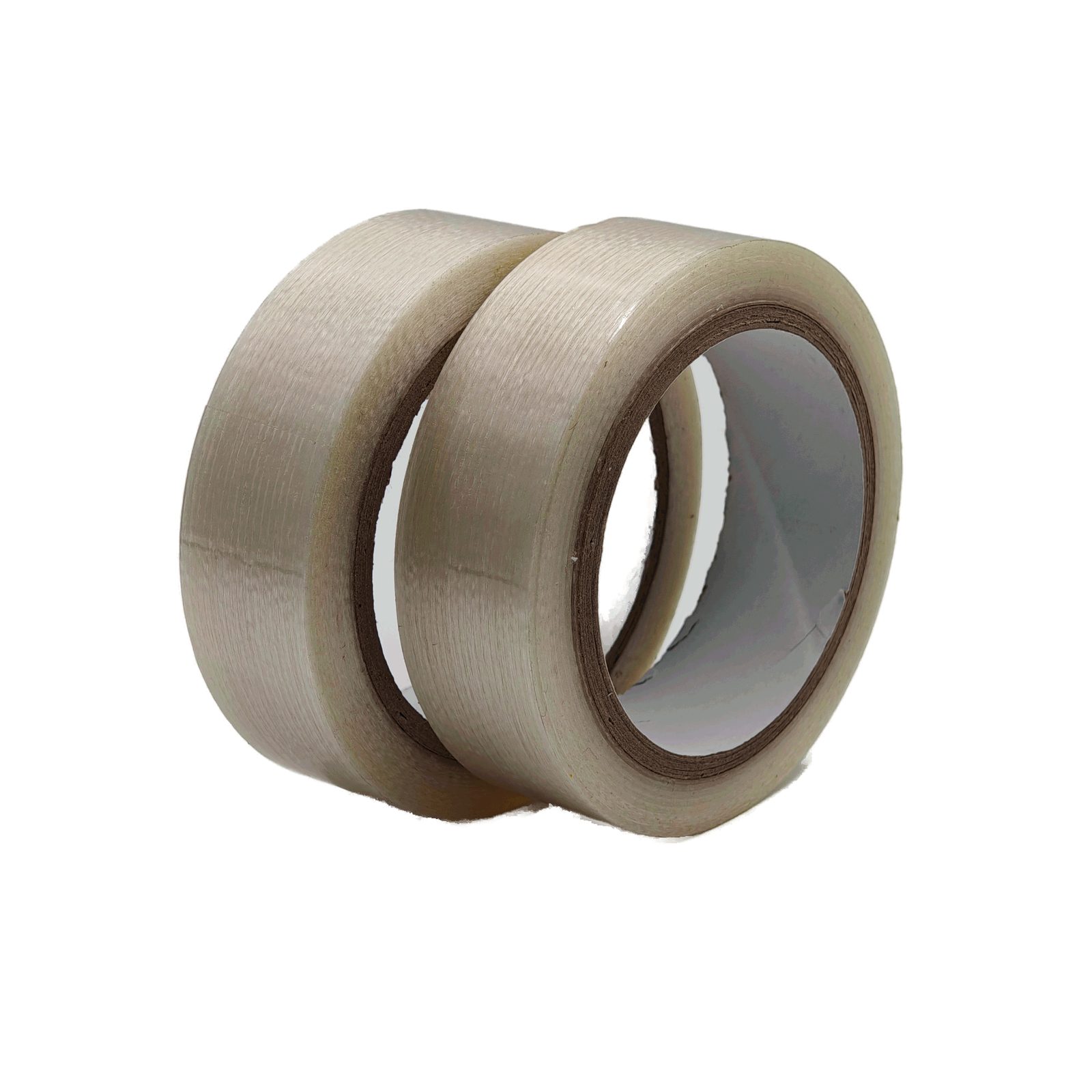
Chengrun lists BX8150W / BX8150H for transformer and coil wrapping, fixing and reinforcement. For a reinforcement enquiry, specify what must remain in position, the direction of loading and the processing the wrapped assembly will undergo.
Request the current construction drawing and test data for the exact W or H grade. Confirm backing, adhesive, total thickness, tensile properties and holding performance before choosing between them. A reinforcement role does not by itself qualify the same tape as the electrical barrier.
Keep tape temperature data separate from the insulation-system class
The C8020 sheet gives a temperature-resistance range of −40 to 100°C; the PI5300 sheet lists heat resistance of 260°C. Neither sheet supplies a complete time–temperature qualification for a transformer winding. Do not use those entries alone to assign a winding thermal class or approve a material substitution.
An electrical insulation system is a combination of materials, including the wire insulation, tapes, bobbin and any impregnating resin or varnish. Their compatibility matters. Where a specified or recognized system applies, check the exact material designation and substitution requirements with the responsible design or certification team.
Record service exposure separately from manufacturing exposure. A brief oven cure and long operation under load are different conditions. Include the actual cure cycle, any repeat processing and the temperature expected at the taped location.
Trial the tape through the actual assembly process
Use the intended wire insulation, bobbin surface, tape width and winding geometry. Keep the application method consistent across samples so that an operator changing the wrap does not obscure a material difference.
- Before processing: record coverage, seams, wrinkles, lead position and the wrap termination. Photograph the locations you will inspect again.
- After impregnation and cure, if used: look for lifting, adhesive movement, backing distortion and changes in lead or coil position. Use the intended varnish or resin; a dry wrap trial does not assess that interaction.
- After the specified conditioning: carry out the electrical and mechanical checks required by the design. Agree the acceptance limits and test conditions before comparing grades.
For example, if the lead moves after curing but the tape backing remains intact, document the contact surface and adhesive condition as well as the wrap geometry. Increasing backing strength alone may not address the cause. Treat this as a troubleshooting check, not a conclusion from appearance.
What to send with a transformer winding tape enquiry
Send a marked drawing or clear photographs with the tape location, its required function, available build thickness and contact materials. Add the electrical test requirements, insulation-system designation where applicable, service conditions and complete impregnation or cure process.
For production planning, include roll width, roll length, core size, application method and expected volume. Identify any existing approved tape by its full grade rather than colour alone, and explain whether you need a new design candidate or an evaluated replacement.
Request transformer tape samples and technical data. Chengrun can review the C8020, PI5300 and BX8150 options against the stated duty; final selection should follow the evidence required for your assembly.