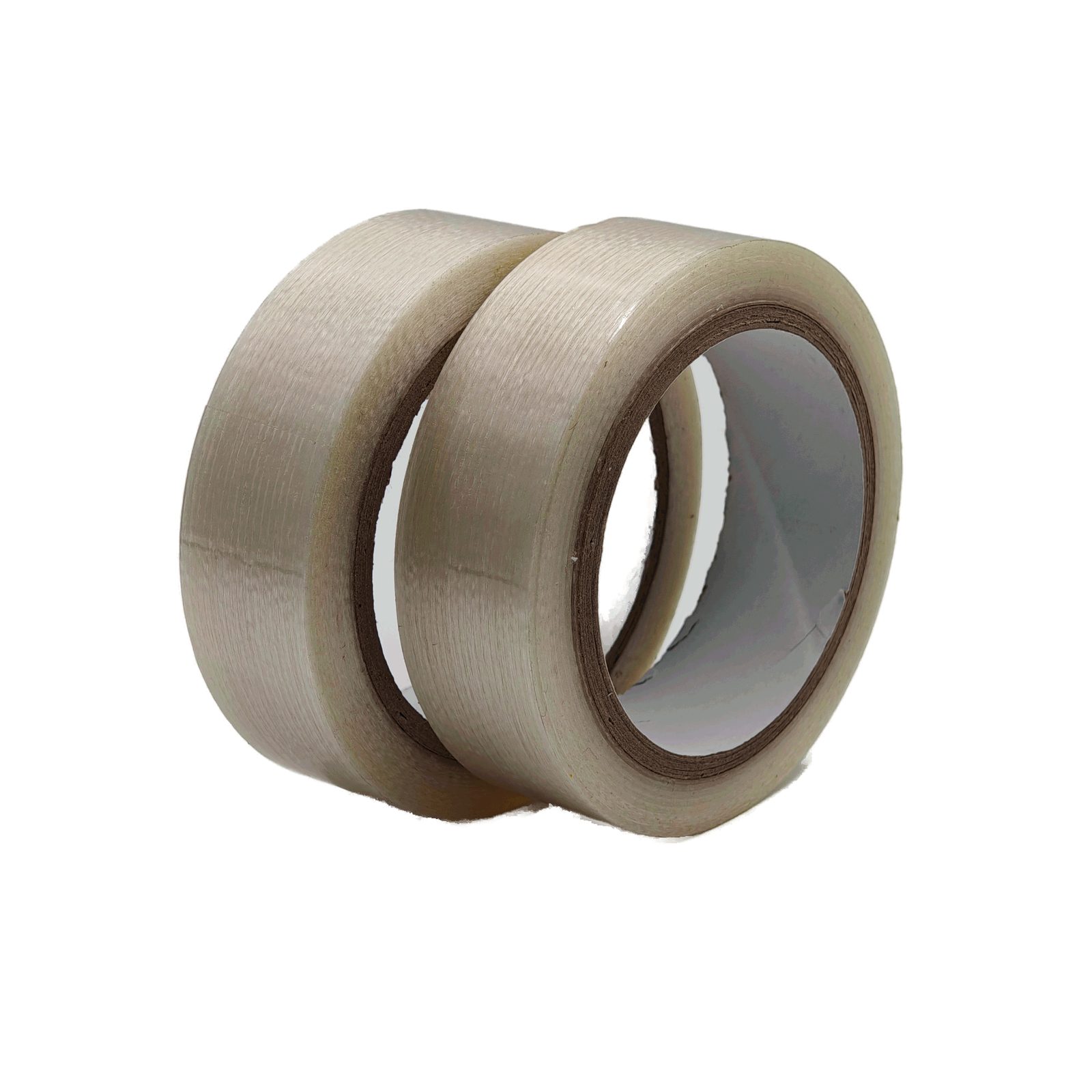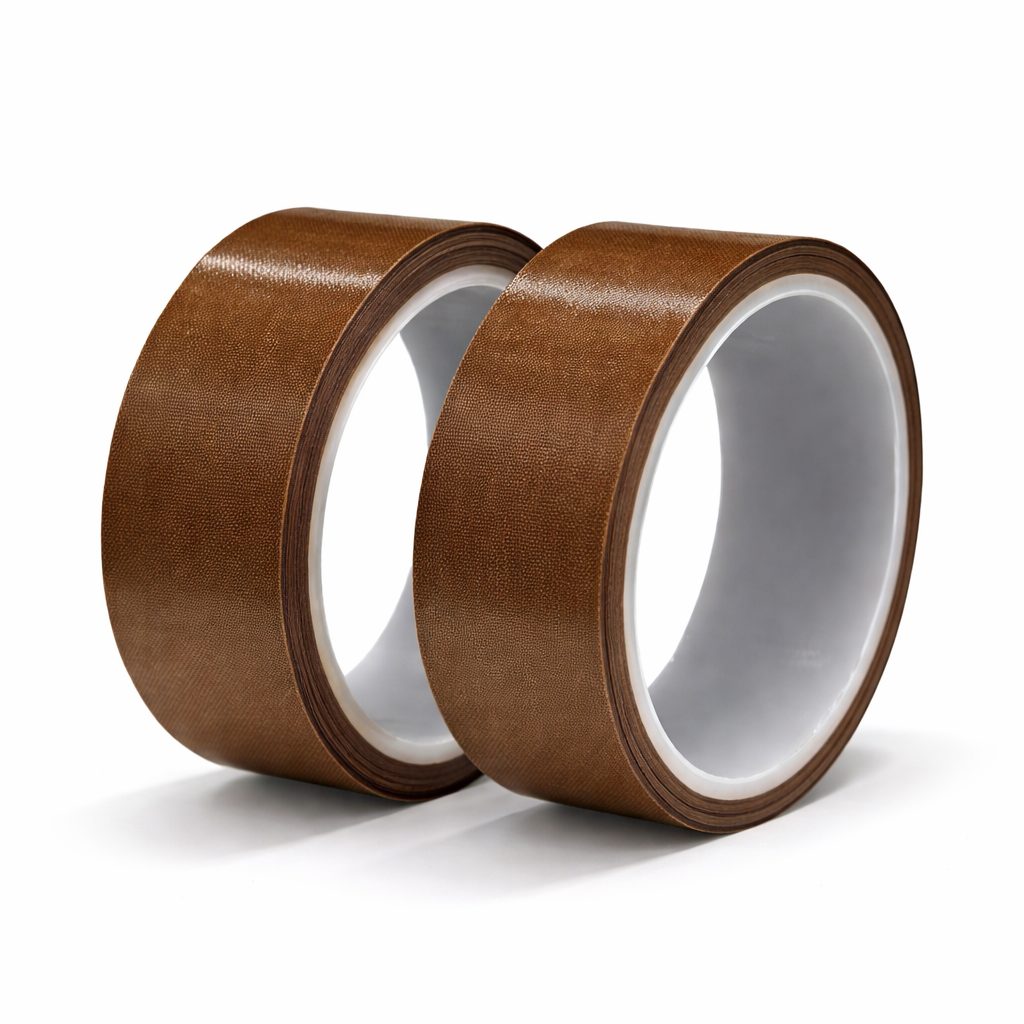
When choosing PET tape for powder coating, check the masking edge before coating and inspect the exposed surface after removal. A lifted corner, an adhesive smear and a chipped coating edge need different investigations. Record when the defect first appears before changing the tape grade.
On a cabinet flange or metal mounting face, a small masking defect can mean extra cleaning or a rejected finish. Start with the actual surface, the part's temperature history and the removal procedure. The oven set point alone cannot tell you whether a tape will work.

First identify what failed
Keep one photograph of the mask before spraying and another after removal. Photograph a defect before cleaning it away; a cleaned part no longer shows where the material was left.
| What you see | What to check first | Useful comparison |
|---|---|---|
| Tape edge lifts before coating | Surface preparation, handling contamination, wrinkles and whether the strip bridges a recess. | Apply the same roll to a flat, prepared area and to the problem feature. |
| Powder reaches an area meant to stay bare | Mask position and edge contact before spraying, including corners and overlaps. | Compare the pre-coating photograph with the final boundary. |
| Material remains after the tape is removed | Whether it is adhesive transfer, coating material or a surface mark; then review heat exposure and removal conditions. | Inspect the removed tape and the matching area on the part together. |
| The coating edge chips or tears | Coating continuity across the tape boundary, cure condition and the removal direction. | Repeat the approved removal procedure on a representative test piece. |
A photograph can locate a problem without proving its cause. For example, a mark on the metal should not be labelled adhesive residue until its nature has been checked.
Match the tape to the measured heating cycle
Record the part temperature through the oven, including heating, dwell and any repeat bake. A heavy bracket and a thin panel may heat differently on the same line. Include line interruptions or rework cycles that the masking must withstand. Keep the powder supplier's cure requirements separate from the tape's exposure limits.
The Chengrun product sheets provide the following starting points for material selection:
| Grade | Backing and adhesive | Heat-resistance value in the sheet |
|---|---|---|
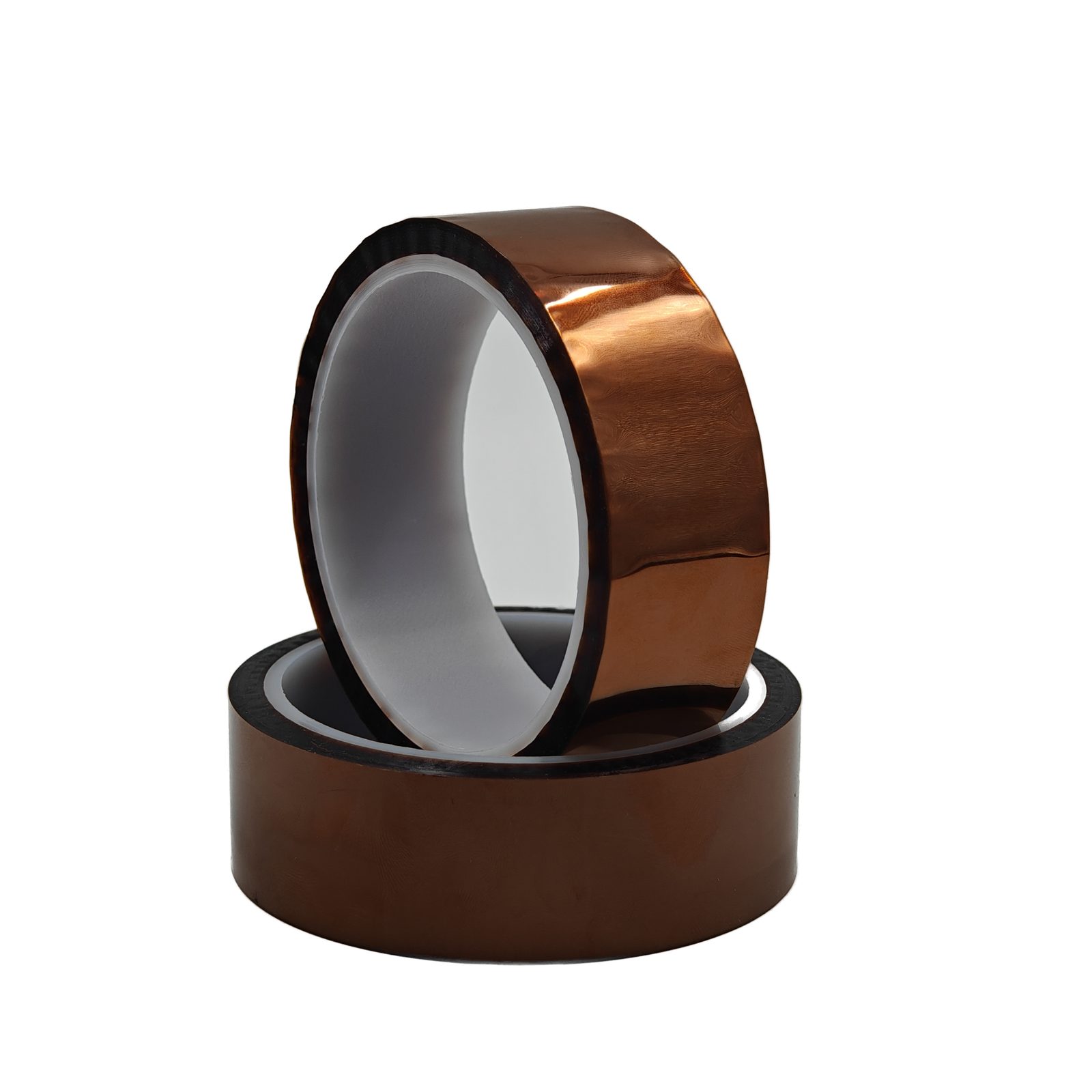
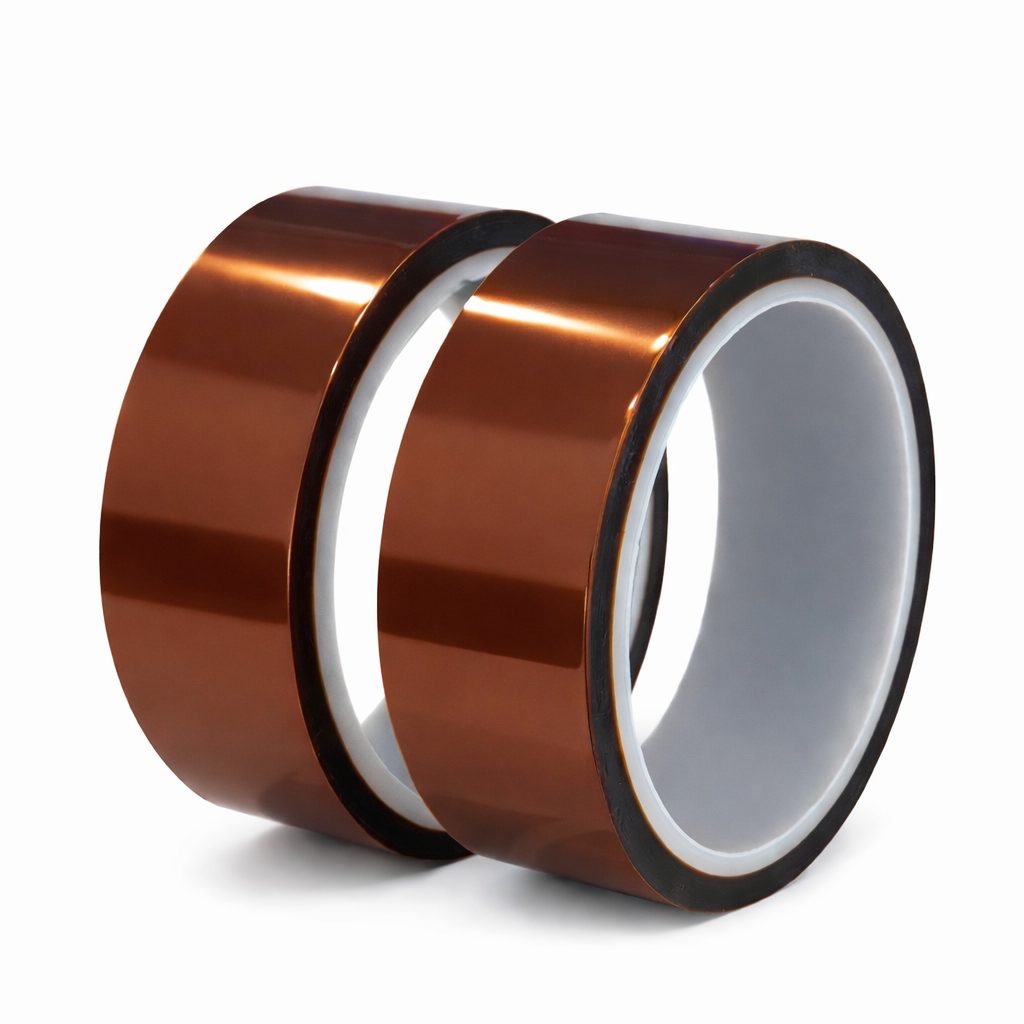
| PT5200 PET film tape | Polyester film with silicone adhesive | 180°C |
| PI5300 polyimide tape | Polyimide film with silicone pressure-sensitive adhesive | 260°C |
Neither sheet specifies a test duration or a complete time–temperature approval window for masking. These figures do not establish continuous service ratings, short-term peak limits or guaranteed clean removal at a particular bake time. Ask for the supporting conditions and validate the chosen grade on your part.
PT5200's application sheet includes powder coating masking. PI5300 is a candidate to discuss where the thermal demands call for a different backing, but its higher published figure does not automatically resolve edge lift or residue. If the required exposure exceeds the conditions confirmed for PT5200, review another grade before running the trial.

Check the mask before it enters the coating line
Use the surface preparation approved for the workpiece and coating system. Confirm that the area is dry and ready for masking; do not introduce an unapproved cleaner to solve an adhesion problem. Handle the strip so that fingers do not contaminate the adhesive along the critical edge.
Lay the tape onto the surface without pulling it tight to force it around a corner. Press the masking edge into contact and look along it under angled light. On a recess, a taut strip can span the opening instead of following the surface. Change the mask shape or application detail if the strip cannot make contact.
Pay particular attention to starts, ends and overlaps. A straight section that looks sound does not confirm that the corner is sealed. If lifting is already visible before spraying, resolve it at that stage and record the change.
Make removal a controlled step
Include removal temperature, elapsed time after the oven and peel direction in the trial record. Follow the tape and coating suppliers' agreed procedure and the site's handling controls. There is no single hot-or-cold removal rule established by the two product sheets.
Support the part and remove the tape steadily using the agreed method. Watch where the coating meets the mask. If the finish starts to lift with the tape, pause the trial and inspect the boundary. Do not turn an unverified cutting or scraping technique into the production instruction.
When comparing removal conditions, hold the tape, surface preparation and bake cycle constant. If those also change, it becomes difficult to tell which change affected the result.
Keep a short record for the next trial
A flat coupon is useful for initial screening, but include the actual flange, radius or recess before approving a production mask. Use this record with photographs of the same locations before coating and after removal:
- Part and surface: material, finish, preparation route and masking location.
- Tape: grade, batch identification, width, mask shape and storage history.
- Application: edge contact, overlap locations and any lifting before coating.
- Heat exposure: measured part-temperature record, cycle count and deviations.
- Removal: part temperature, delay, direction and whether the tape came away intact.
- Result: mask boundary, residue or marks, coating-edge condition and the agreed acceptance decision.
Define the acceptable masking boundary and inspection conditions before judging the samples. A clean-looking surface alone does not establish suitability for a later bonding or printing step; include that downstream operation where it matters.
Request PET masking tape samples for your process
Send Chengrun a drawing or photograph of the masking area, the surface preparation, the measured heating cycle and the required removal conditions. Include tape width and any repeat-bake requirement. These details help narrow the sample choice more than a request for “high-temperature tape” alone.