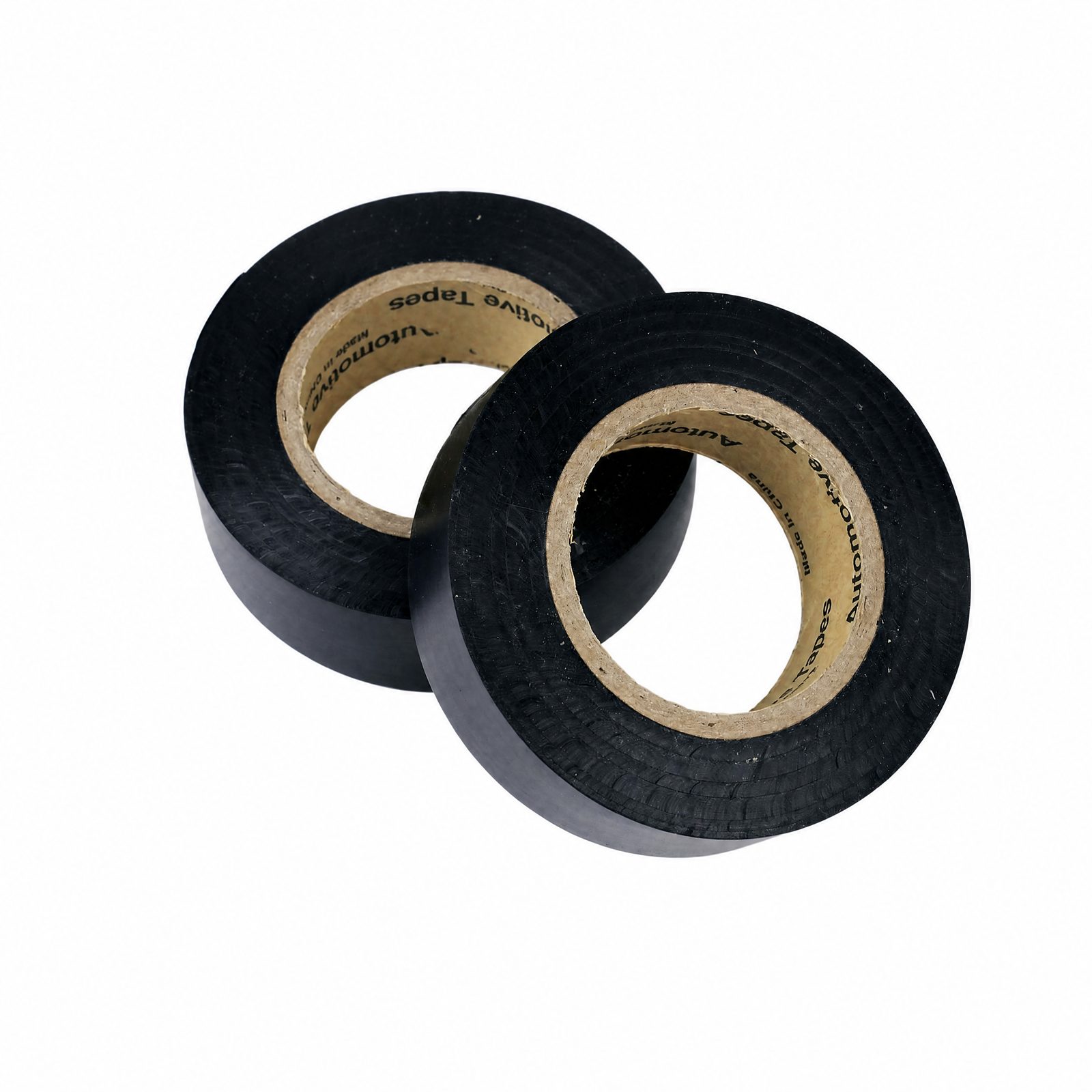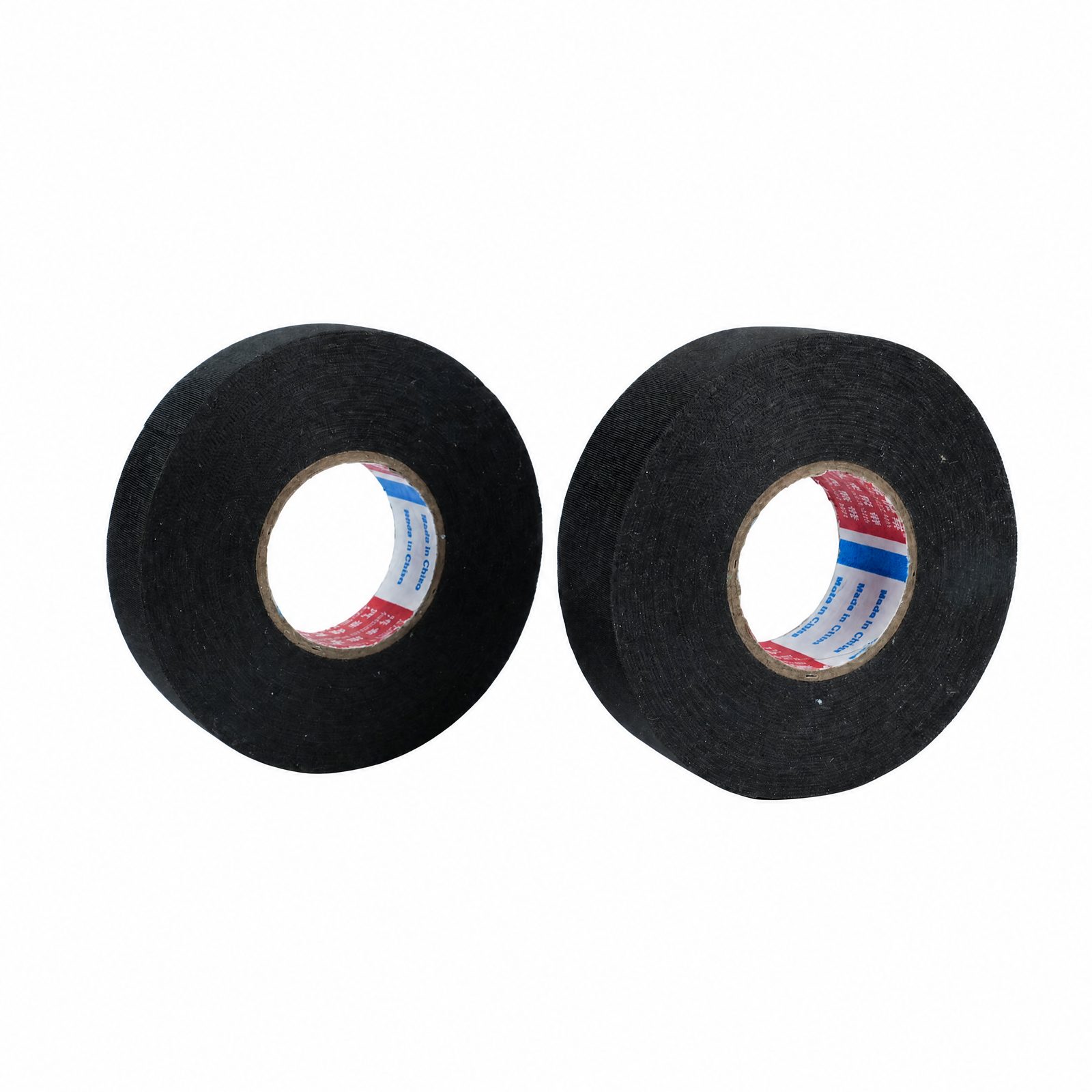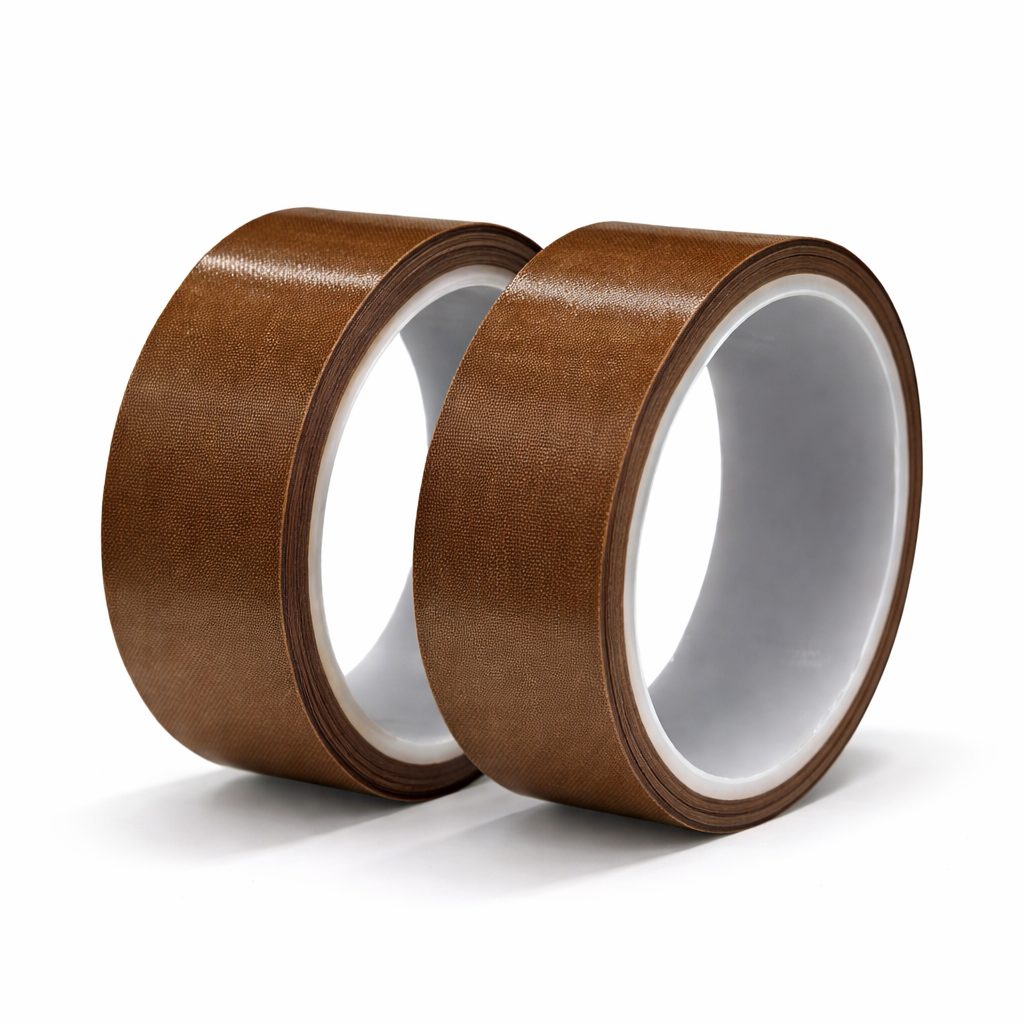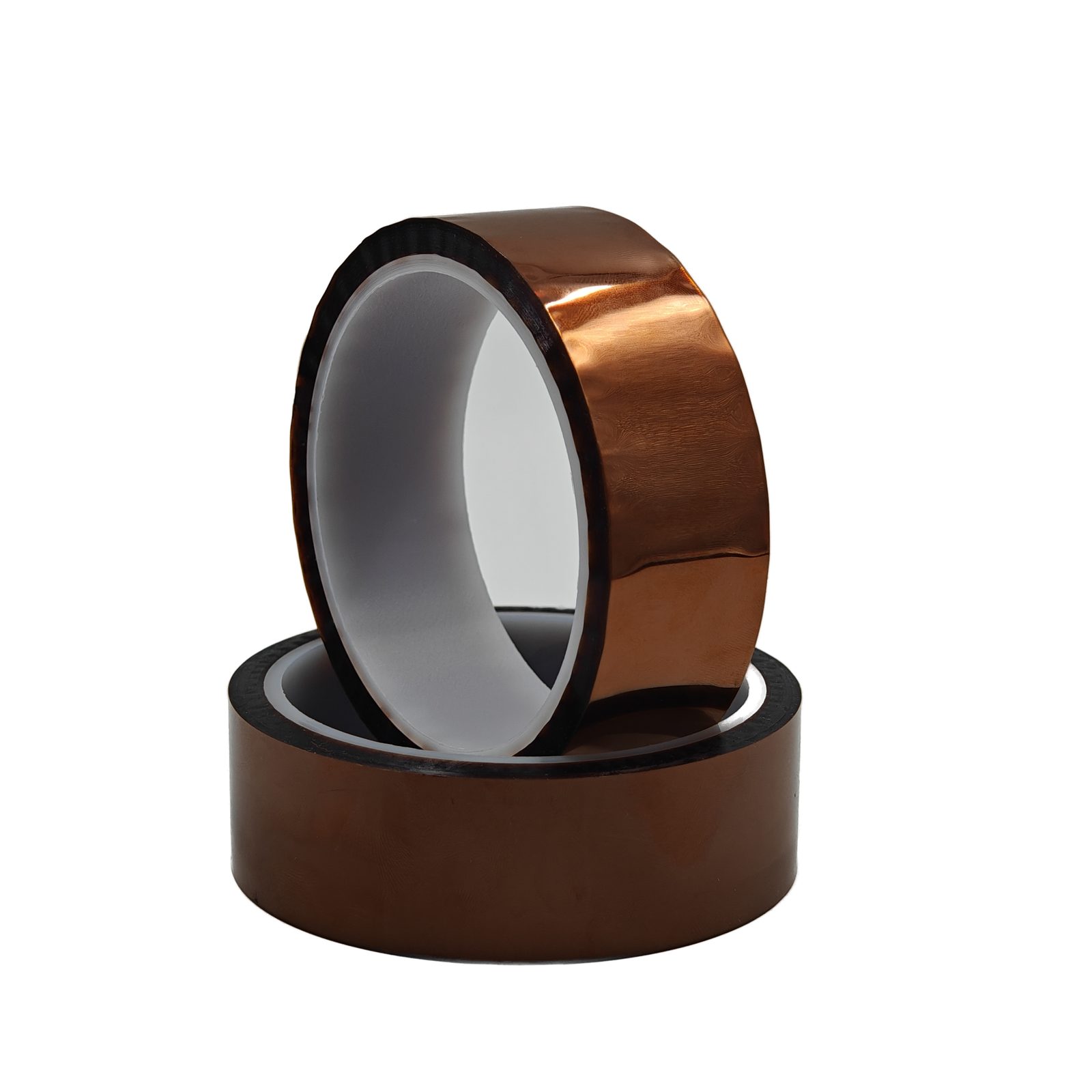
A tape datasheet is a marketing document and a technical document at the same time. Learning which lines are specifications and which are typical values will save you from a substitution that passes on paper and fails on the line.
Typical values are not guarantees
Most tape datasheets carry a line such as “the above parameters are typical values for reference only”. That is honest, and it also means the numbers are not contractual. If a parameter matters to your process, ask for it to be specified with a tolerance and confirmed on the order acknowledgement.
The five lines that decide most applications
| Line | What to check |
|---|---|
| Total thickness | Is there a tolerance, and does it include the adhesive? |
| Adhesive type | Rubber, acrylic or silicone — this drives temperature and residue behaviour more than the backing does |
| Peel adhesion | Measured against which substrate, and after what dwell time? |
| Service temperature | Continuous or short-term? Both, ideally |
| Tensile strength | Relevant whenever the tape is also structural |
Watch the units
Adhesion appears as N/cm, N/25mm or g/25mm depending on the manufacturer and the region. They are not the same number in different clothing: 4.5 N/cm is 11.25 N/25mm, which is roughly 11,250 g/25mm. Comparing two datasheets without converting first is one of the most common sourcing mistakes.
Check what is missing
What a datasheet does not say is often more revealing than what it does. If there is no breakdown voltage for an insulation tape, no flame rating for a harness tape, or no adhesion figure at all, treat the tape as unspecified and ask for the missing data.
Ask for the batch report
A datasheet describes a construction. A batch test report describes the rolls on your pallet. For any qualification or PPAP-style approval, ask for both — and check that the lot number on the report matches the label on the roll.
Where UL and CSA fit in
Recognition marks apply to specific constructions and file numbers, not to everything a company sells. If your approval file depends on UL or CSA recognition, ask for the certificate copy and check that the construction in the certificate is the one you are buying.
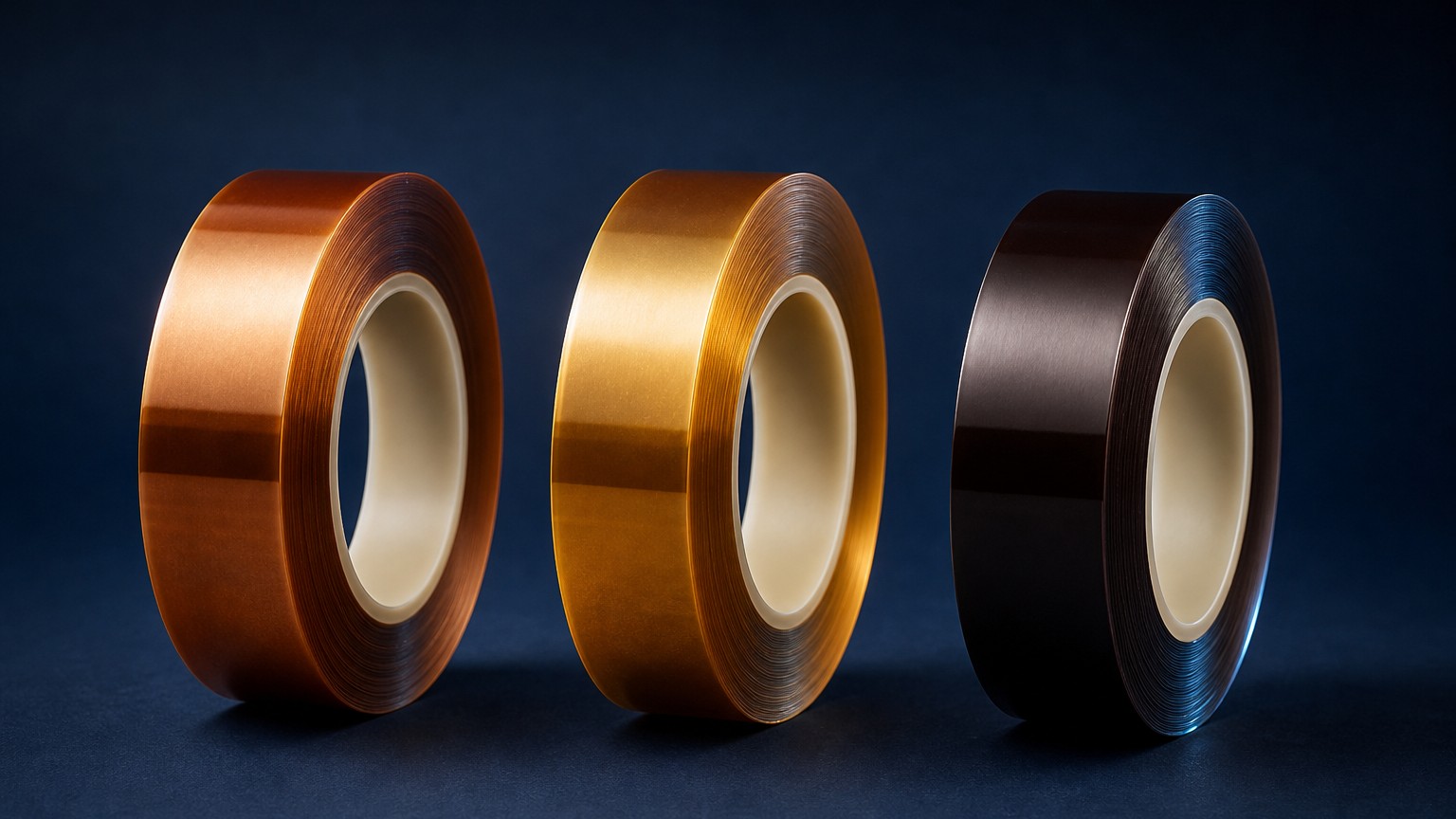
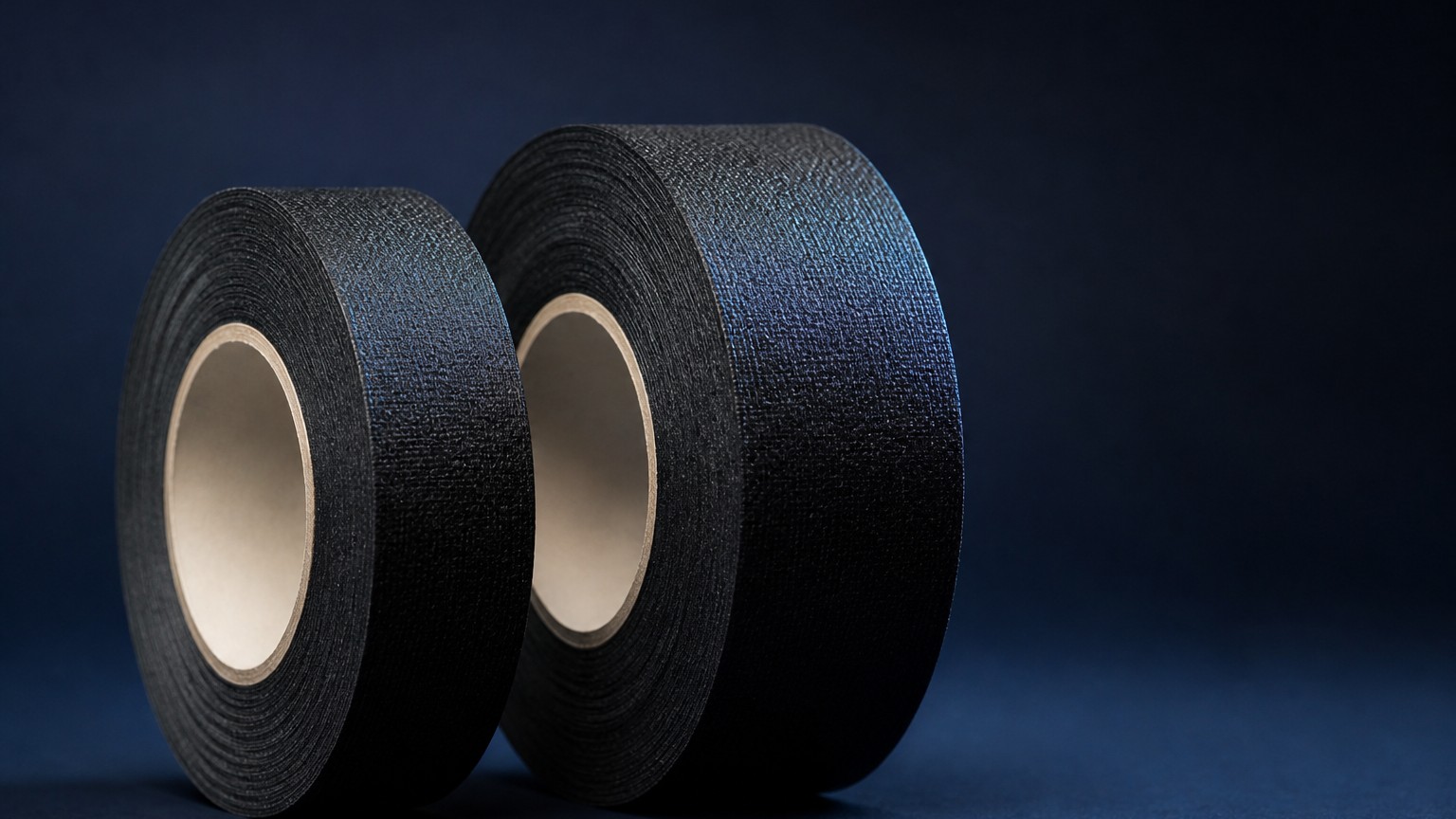
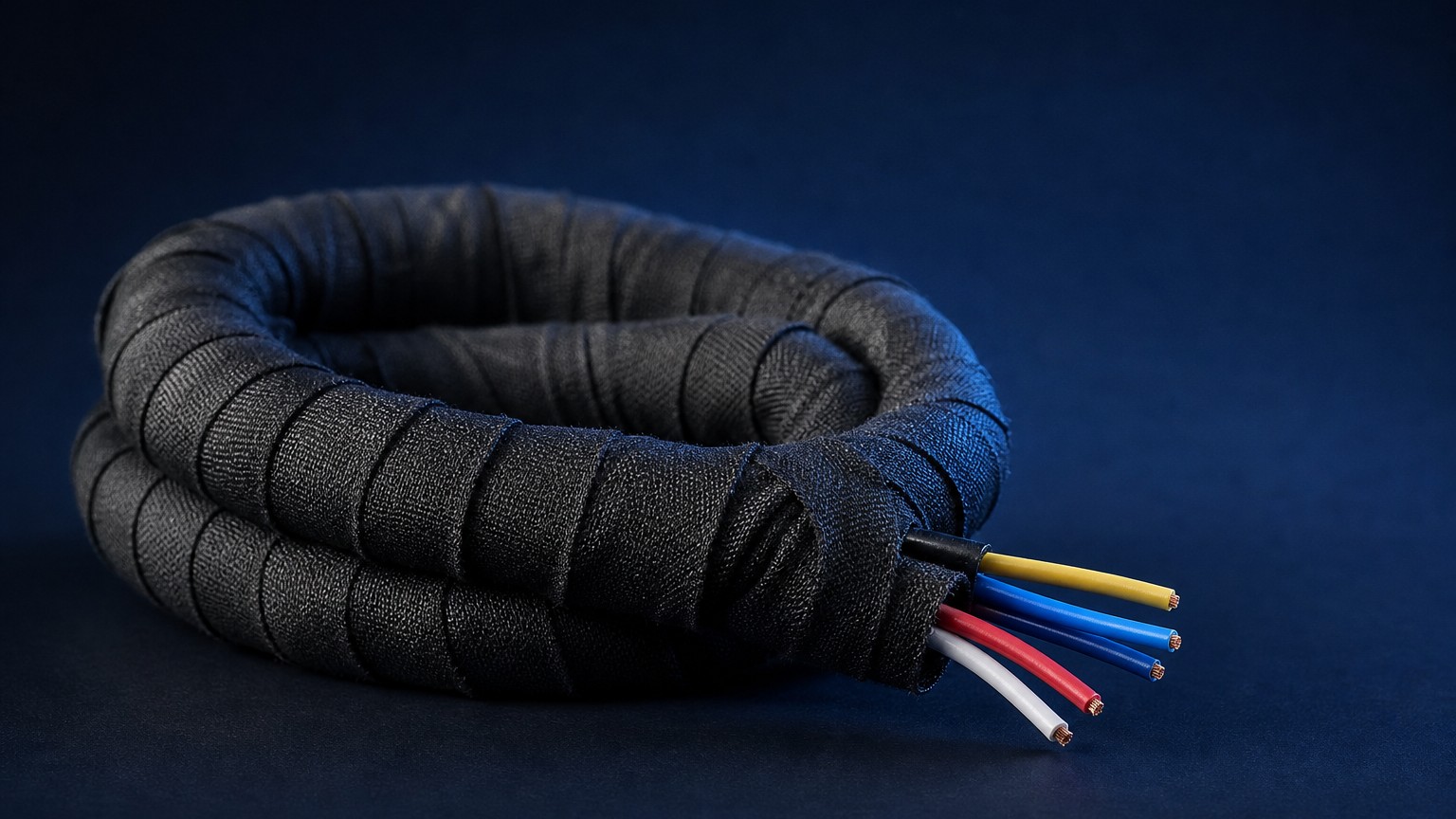
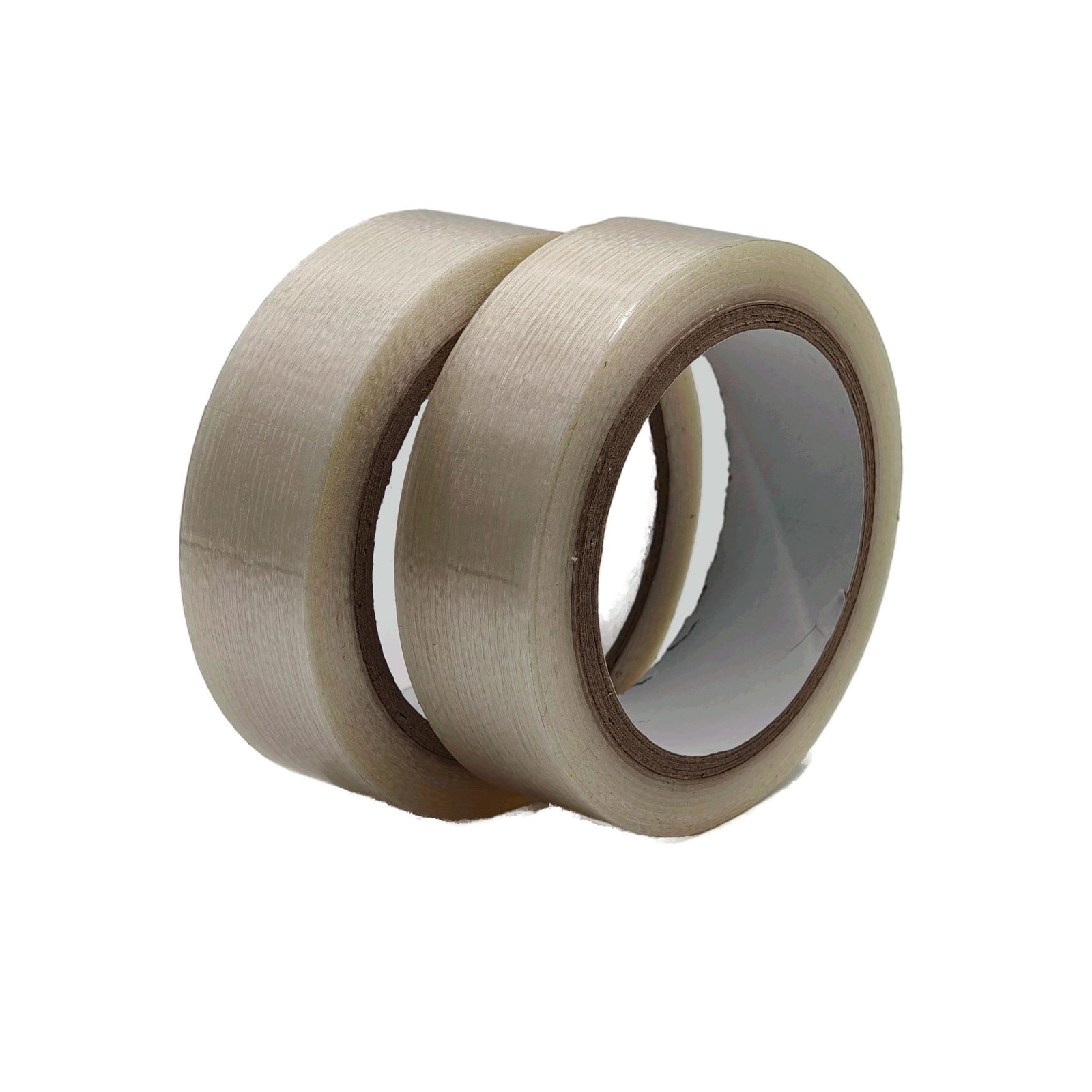
Tapes mentioned in this guide: PT5200 PET high-temperature tape · C8020 Acetate Cloth Tape · BX8150W / BX8150H Filament Tape