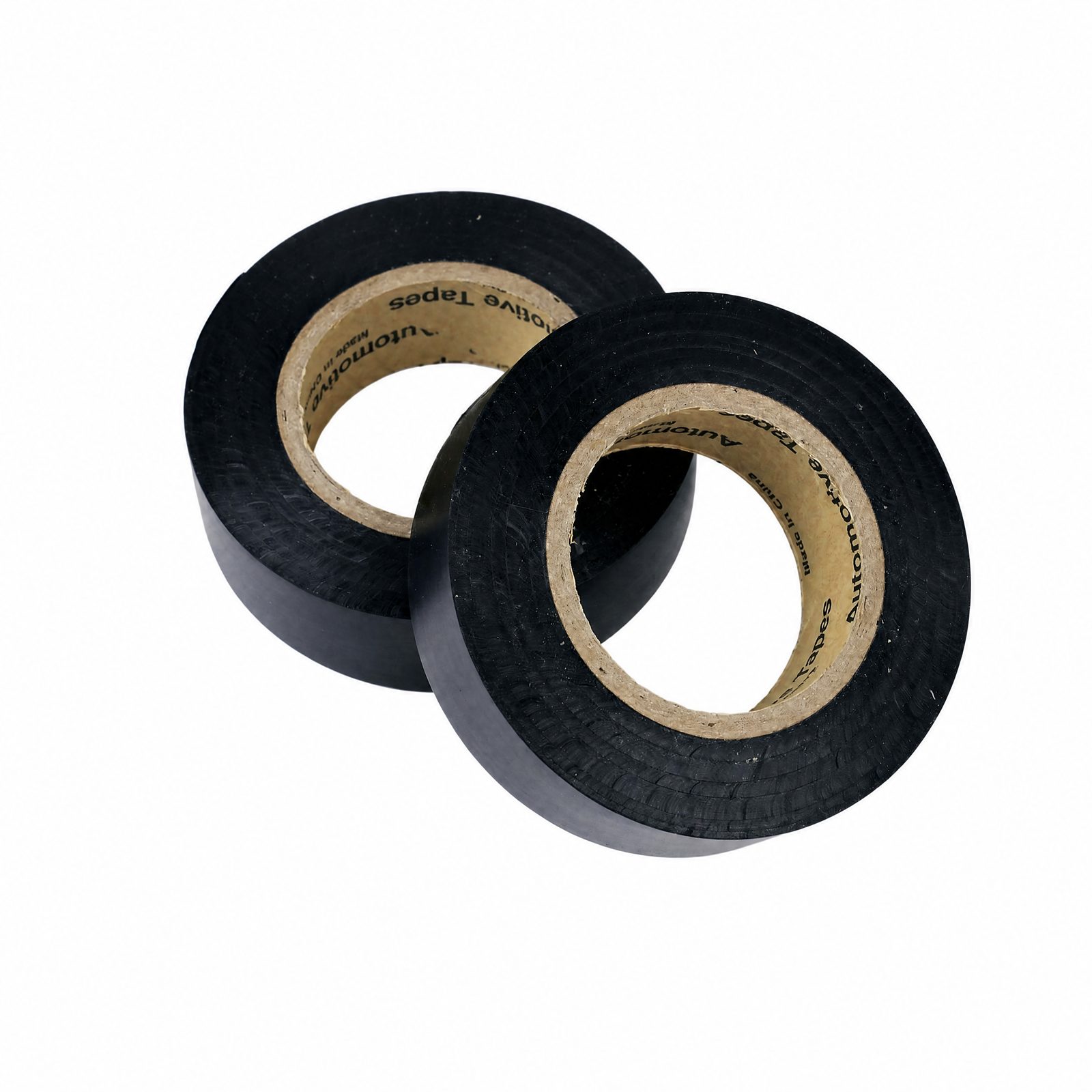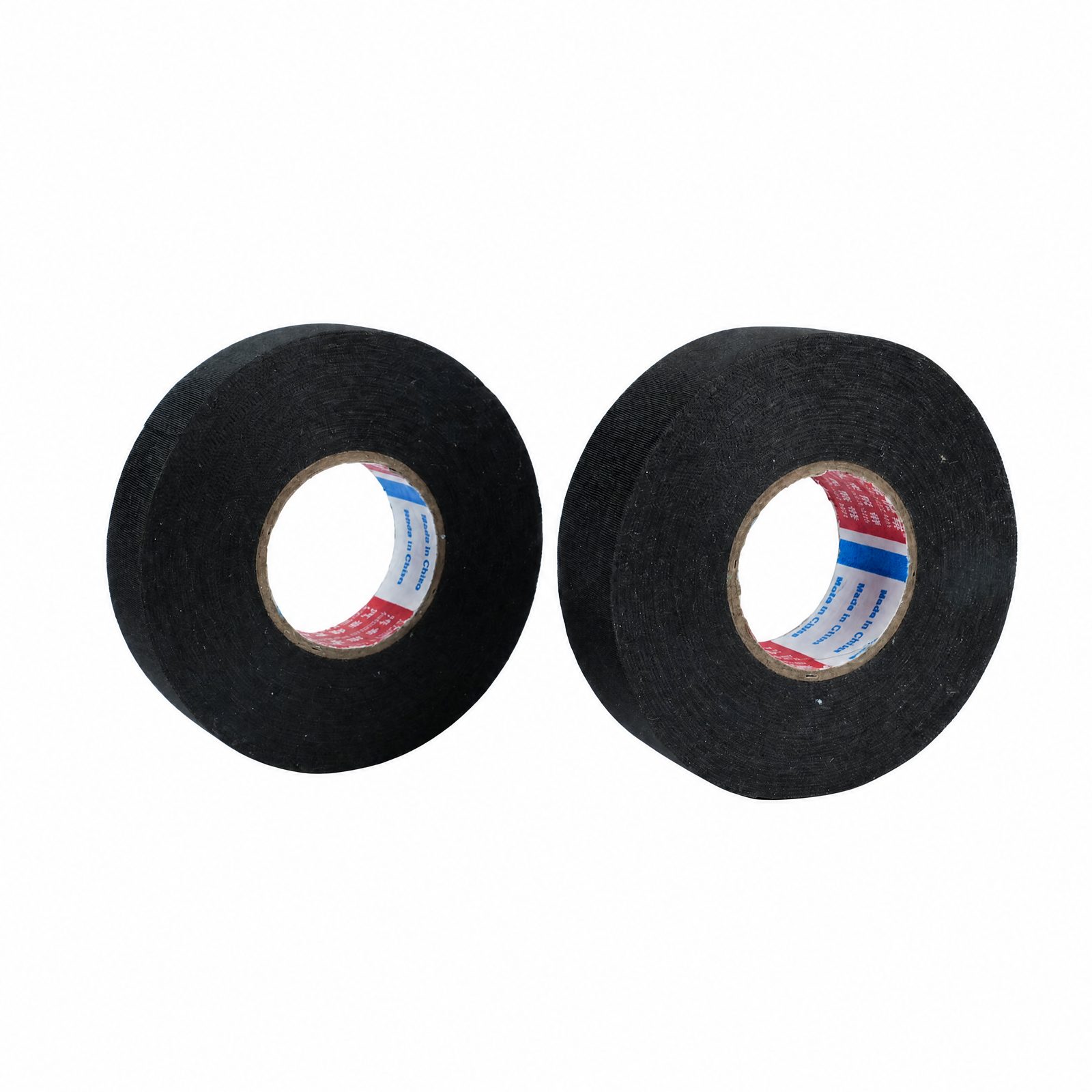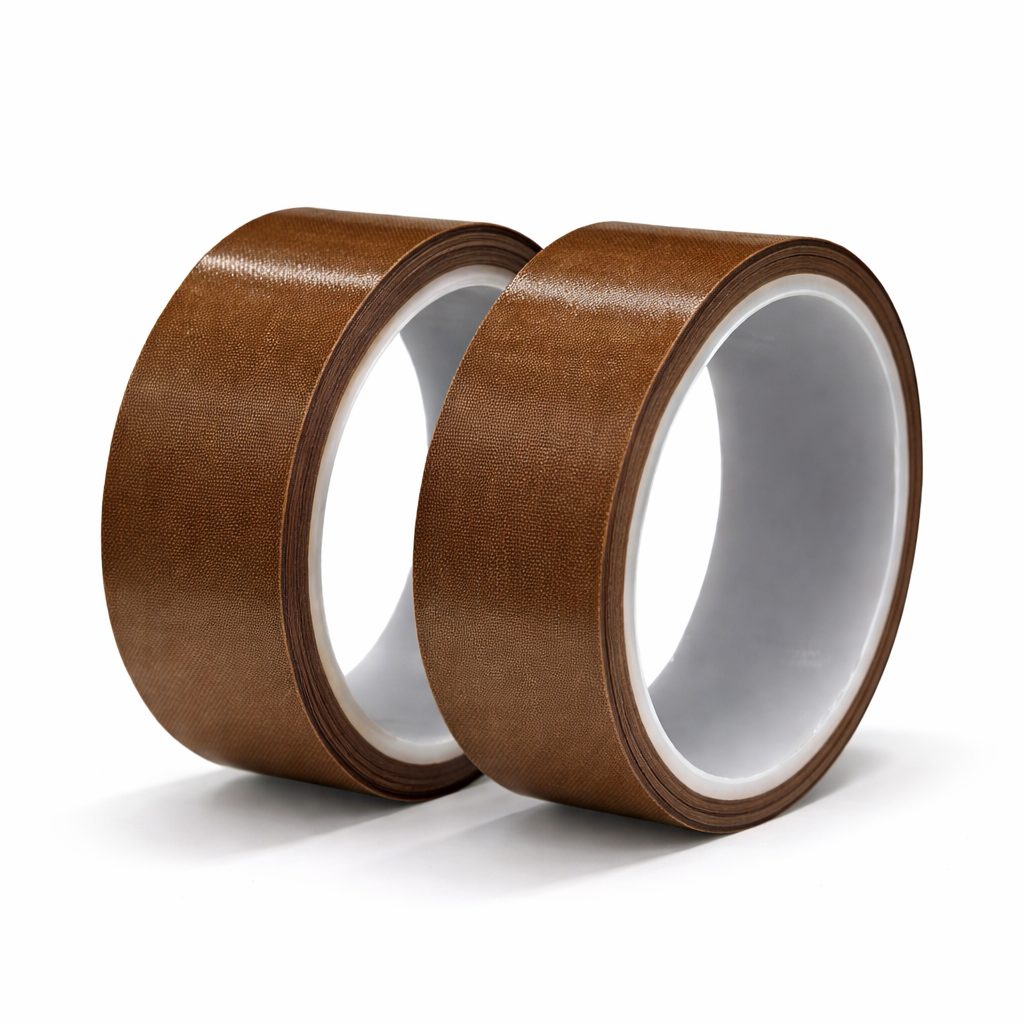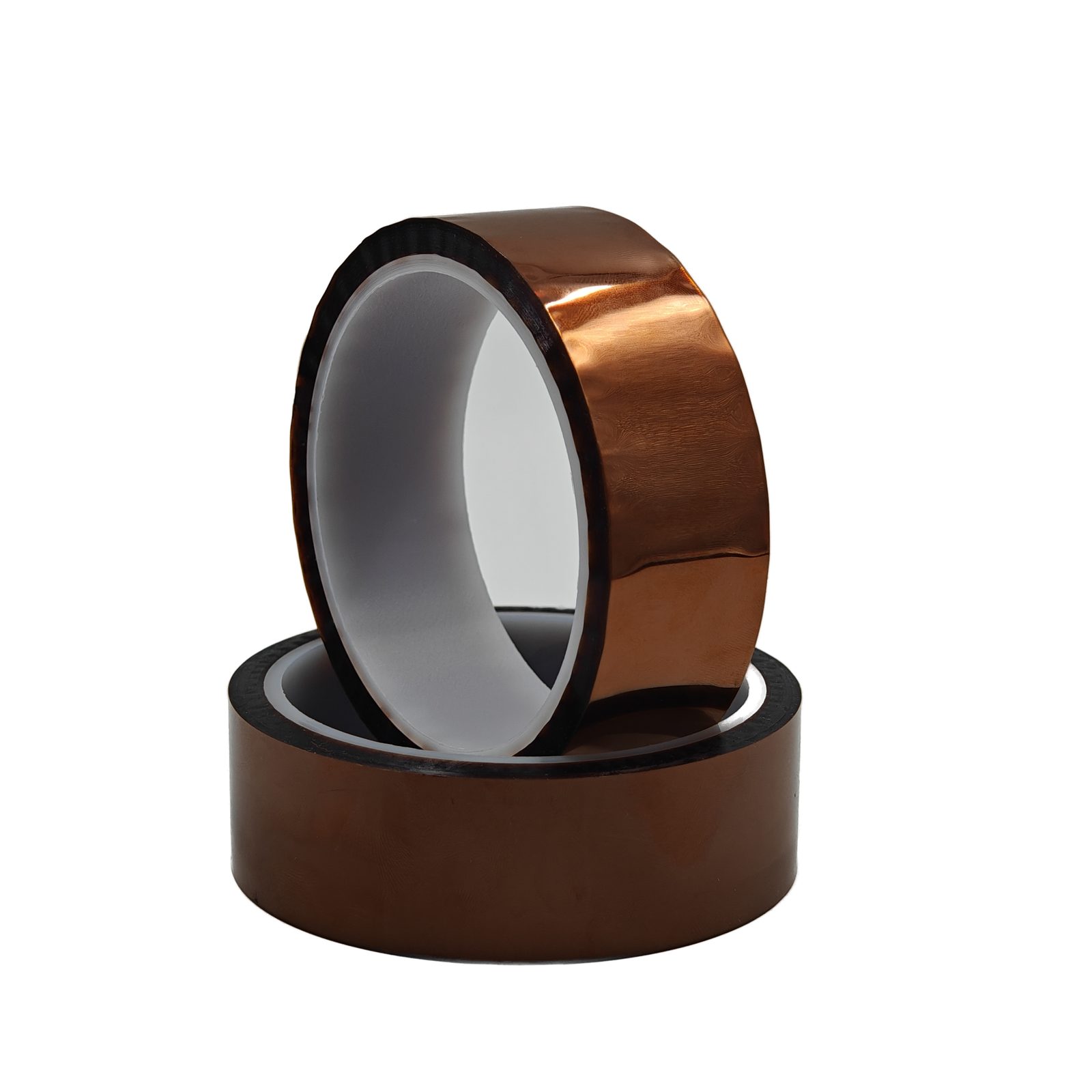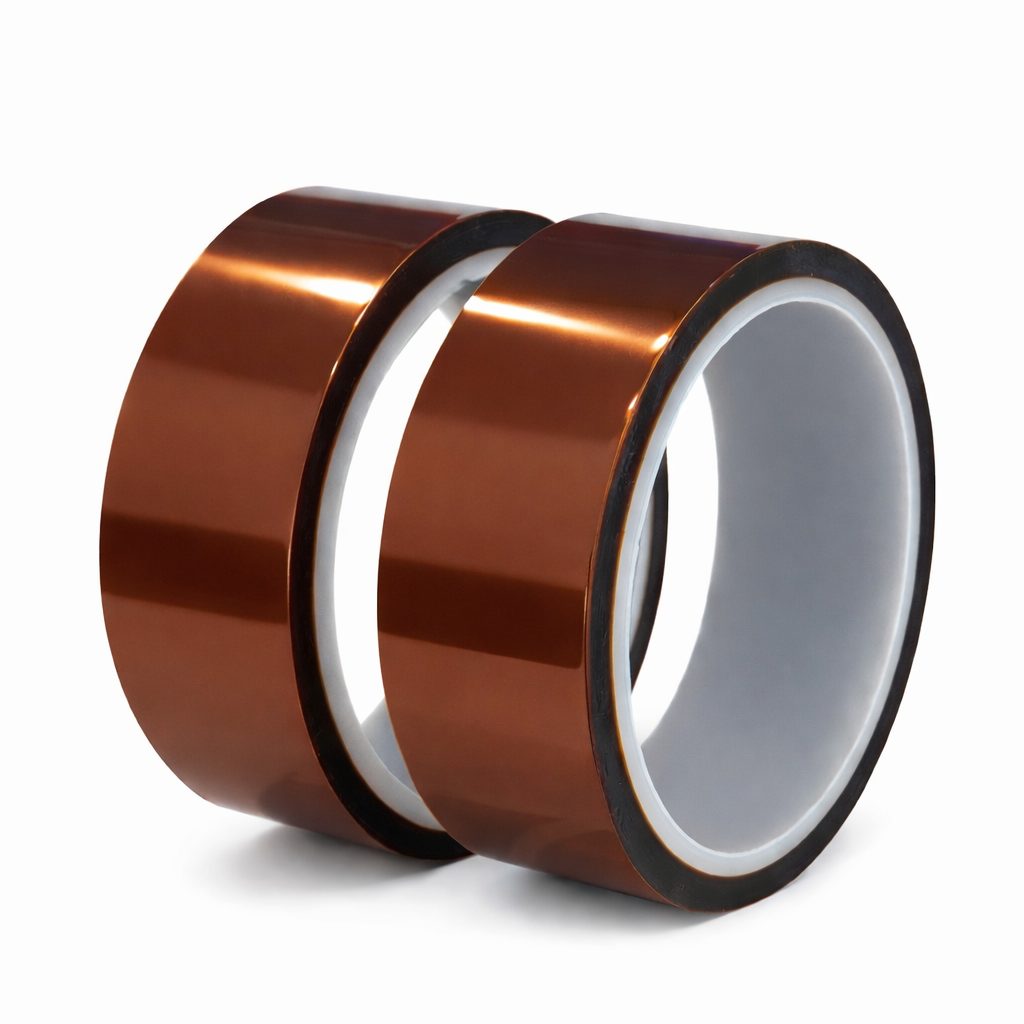
Most harness tape problems are traceable to a specification that was never written down. A tape gets chosen because it was already on the shelf, and the first real test is the customer’s durability bench. This checklist covers the six decisions that actually determine whether a harness tape works.
1. Abrasion class
Abrasion resistance is usually tested by rubbing a taped bundle against a standard abrasive medium and counting cycles until the tape is worn through. Ratings are commonly grouped into classes, with class D (roughly 1,000–4,999 cycles) being the normal automotive requirement and lighter classes used where the harness is protected by a conduit.
The trap: a tape can be thick and still perform poorly if the substrate is loosely woven. Ask for the abrasion class and the test method, not for the thickness alone.
2. Continuous service temperature
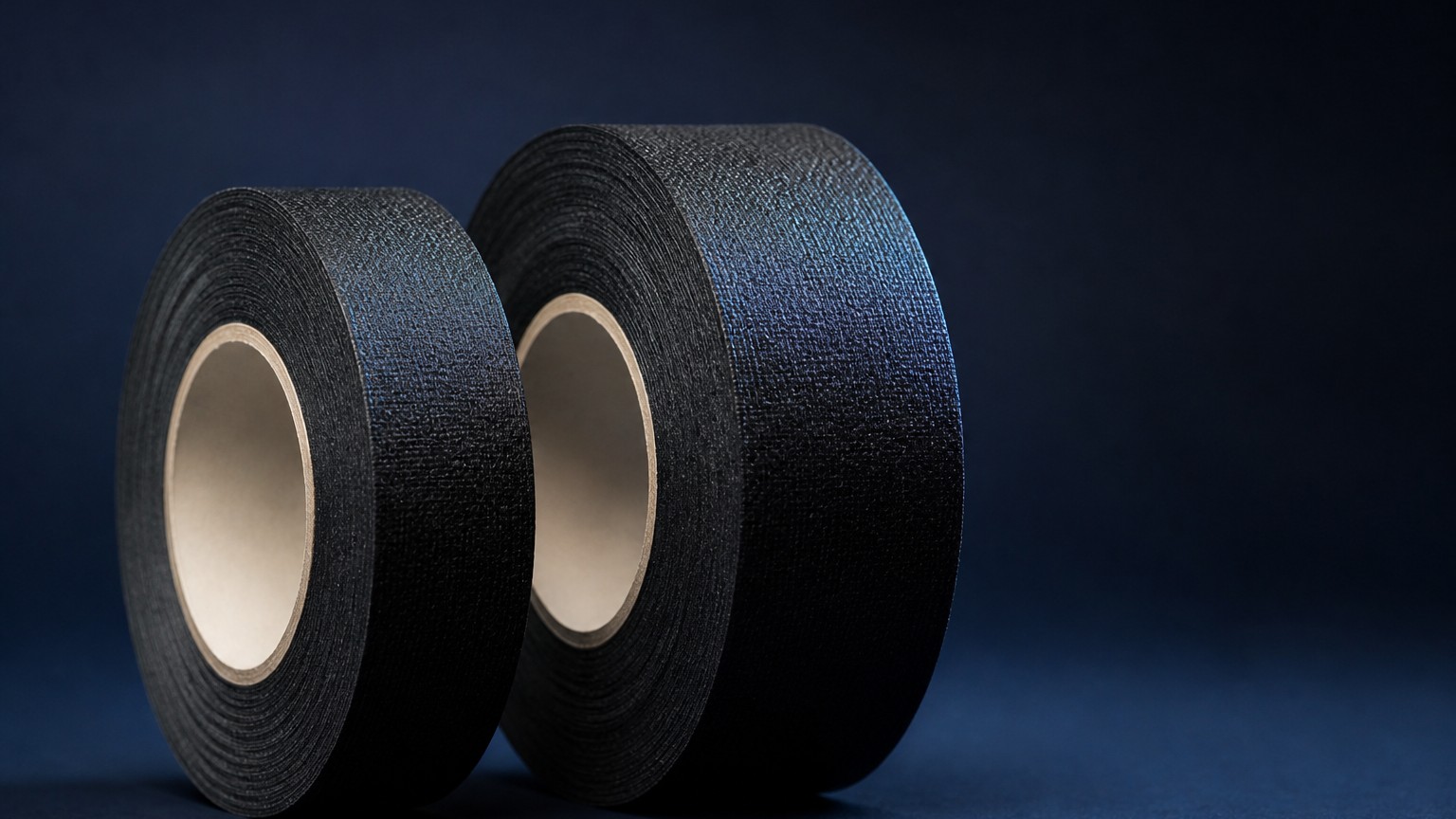
Two numbers get confused here. Continuous service temperature is the level the tape tolerates for the life of the vehicle. Short-term or peak temperature is what it survives during a process step. A tape rat — a tape rated −40 °C to 125 °C is normal for cabin and body runs; engine compartment runs typically need 150 °C — the difference between the B1300 and B1600 grades of PET Cloth Tape.
3. Noise damping
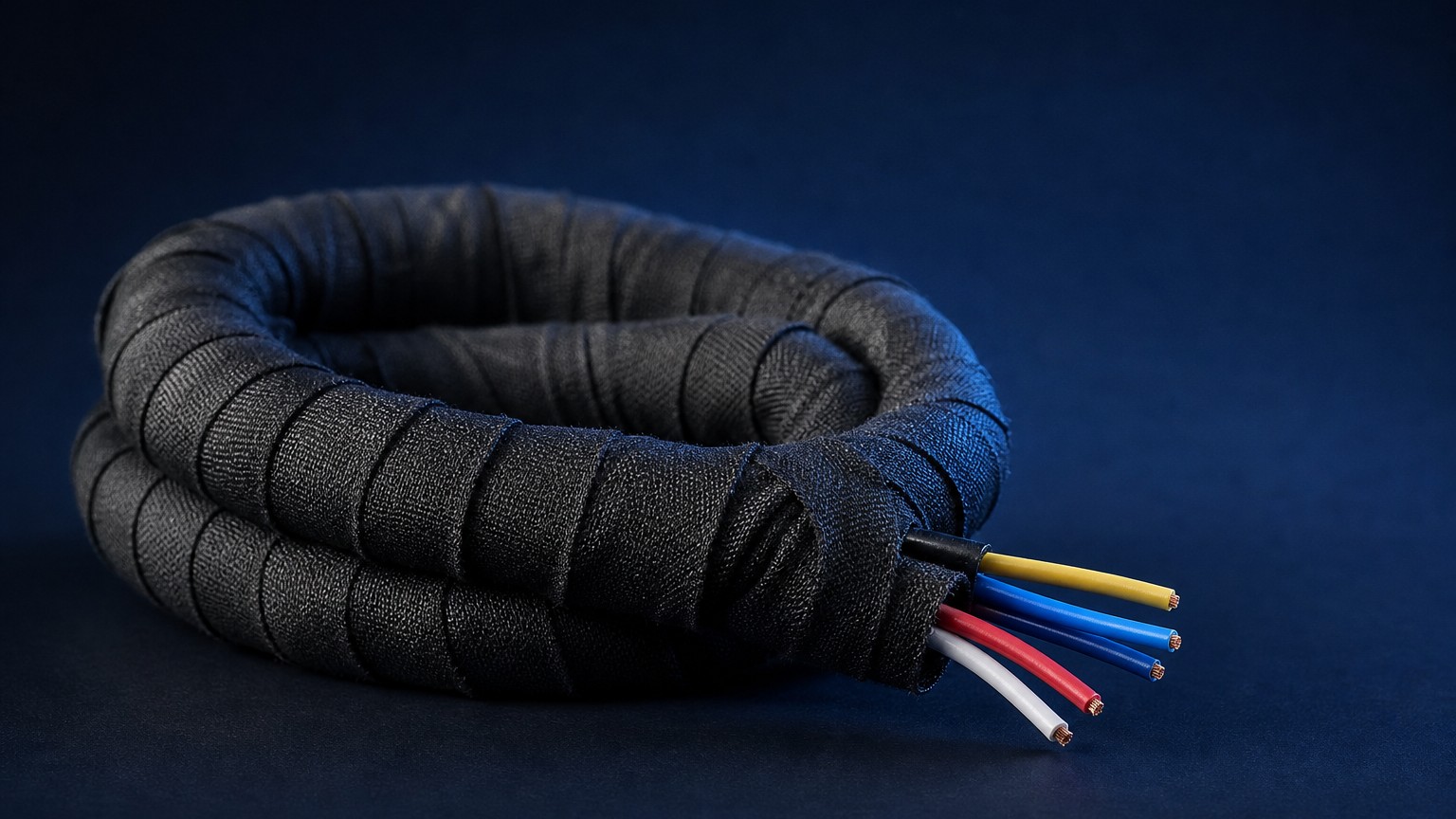
Harness rattle is a warranty complaint, and it is fixed at the wrapping stage rather than later. Suppliers quote noise damping in dB(A) against a defined test; class A damping (≤2 dB(A)) is what interior and door harnesses normally require.
4. Flammability and VOC
Self-extinguishing behaviour matters in electrical and high-temperature environments, and low VOC matters wherever the harness sits in an enclosed space. If your customer has an odour or fogging requirement, state it on the enquiry — it rules out some adhesive chemistries immediately.
5. Hand-tearable or non-tearable
Tapes such as BY1300 hand-tearable PET Cloth Tape are faster on the harness board, while B1300 / B1600 non-tearable PET cloth tape gives more abrasion protection. Neither is better in the abstract. If your operators use tools anyway, or your automated equipment cuts the tape, non-tearable is usually the right call.
6. Substrate and residue
Peel adhesion is normally quoted against steel. If you are wrapping a polypropylene conduit, a polyethylene sleeve or a painted panel, the same tape can behave very differently. And if the tape is removed during rework, the residue requirement is as important as the adhesion figure.
A short specification template
| Item | What to state |
|---|---|
| Application | Engine compartment, cabin, door, under-dash |
| Substrate | Wire bundle, conduit material, panel |
| Abrasion class | Required class and test method |
| Temperature | Continuous and peak, with duration |
| Noise damping | Required class in dB(A) |
| Flame / VOC | Standard and limit |
| Format | Width, thickness, core, roll length |
Send those seven lines to a tape manufacturer and you will get a comparable answer instead of a catalogue page.
Tapes mentioned in this guide: B1300 / B1600 PET cloth tape (non-tearable) · BY1300 hand-tearable PET cloth tape · R1005 PET fleece wire harness tape